
How Do I Evaluate Card Condition Before Grading?
Before you submit a card for grading, there’s one question you need to answer:
What do I realistically think this will grade?
Learning how to evaluate card condition before grading can save you money, time, and disappointment. A quick surface glance isn’t enough. You need to inspect the card like a grader would.
Here’s how experienced collectors do it.
Start With the Four Grading Pillars
Professional grading companies like PSA and Beckett Grading Services typically evaluate four major areas:
-
Centering
-
Corners
-
Edges
-
Surface
Let’s break each one down.
1. Centering
Look at:
-
Left-to-right spacing

mis-cut left to right
-
Top-to-bottom spacing
mis-cut top to bottom
-
Back centering (just as important)
mis-cut card back

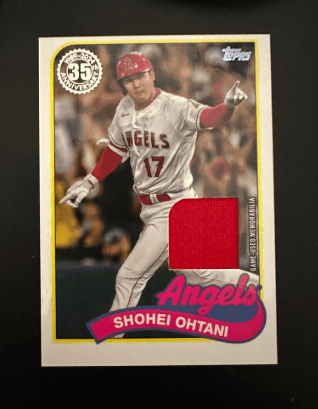
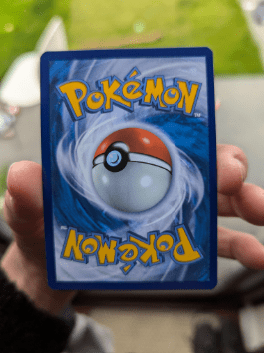
Even a clean card won’t earn a Gem Mint grade if centering isn’t nearly 50/50.
Tip: Use a centering tool or ruler if you want precision.
2. Corners
Corners are one of the biggest grade killers.
Inspect under bright light:
-
Are they sharp or slightly soft?
-
Any whitening?
-
Any fraying or rounding?
Modern chrome cards chip easily. Vintage cards often show natural wear. Even tiny corner dings can drop a card from a 10 to an 8.
3. Edges
Edges can hide flaws you don’t see at first glance.
Tilt the card under light and look for:
-
Chipping
-
White spots
-
Rough cuts
-
Factory edge wear
Dark-bordered cards make edge flaws more visible which is why high grades on black-bordered sets are harder to achieve.
4. Surface
Surface issues are often overlooked.
Check for:
-
Scratches
-
Print lines
-
Dimples
-
Indentations
-
Stains or fingerprints
-
Holofoil scuffing (common in TCG cards like Pokémon)
Hold the card at different angles under strong lighting. Surface flaws sometimes only appear when light reflects directly across the card.
Check for Print Defects vs Damage
Not all flaws are handling damage.
Some issues are factory print defects:
-
Roller lines
-
Off-center cuts
-
Registration blur
Grading companies still count these against condition. “It came out of the pack that way” doesn’t guarantee a high grade.
Be Honest With Yourself
One of the biggest mistakes collectors make is overestimating condition.
If you think it’s a 10, ask yourself:
-
Is it really flawless?
-
Would I bet grading fees on it?
If you see multiple minor flaws, it’s likely an 8 or 9 — and that’s okay. Not every card needs to be a Gem Mint 10 to hold value.
Final Thought
Evaluating card condition before grading is a skill.
The more cards you inspect, the better your eye becomes.
Grading rewards discipline.
It punishes optimism.
The smartest collectors send cards they’ve already judged critically — not emotionally.
What Is Card Grading? Why Condition Changes Everything
Two identical cards.
Same player. Same year. Same set.
One sells for $75.
The other sells for $750.
What’s the difference?
Condition – and grading.
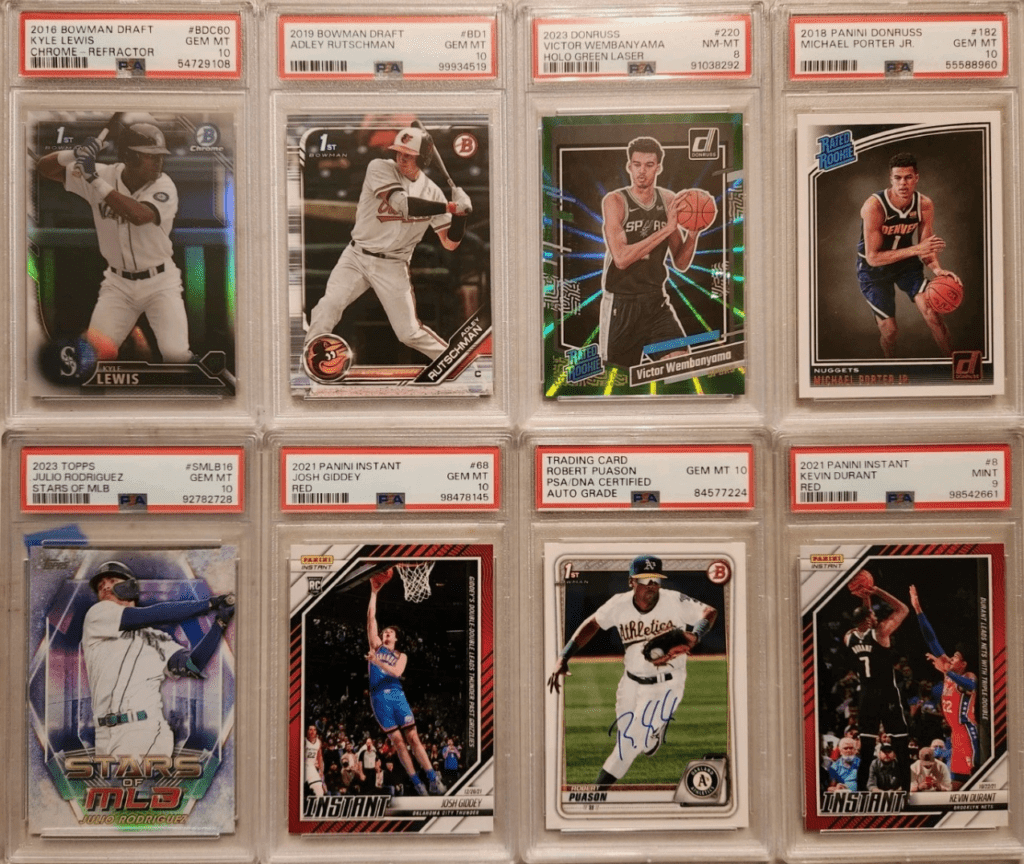
Card grading is the professional evaluation of a trading card’s condition by a third-party company. Once graded, the card is sealed in a protective holder and assigned a numerical score that reflects its overall quality.
In today’s market, grading can dramatically affect value.
What Does Card Grading Measure?
Professional grading companies evaluate four main categories:
-
Centering – How evenly the card’s image is positioned
-
Corners – Sharpness and wear
-
Edges – Chipping or imperfections
-
Surface – Scratches, print lines, dents, gloss
Each factor contributes to a final grade, typically on a 1–10 scale.
A “Gem Mint 10” represents near-perfect condition.
An 8 or 9 may still be excellent — but small flaws can reduce value significantly.
Who Grades Trading Cards?
-
PSA (Professional Sports Authenticator)
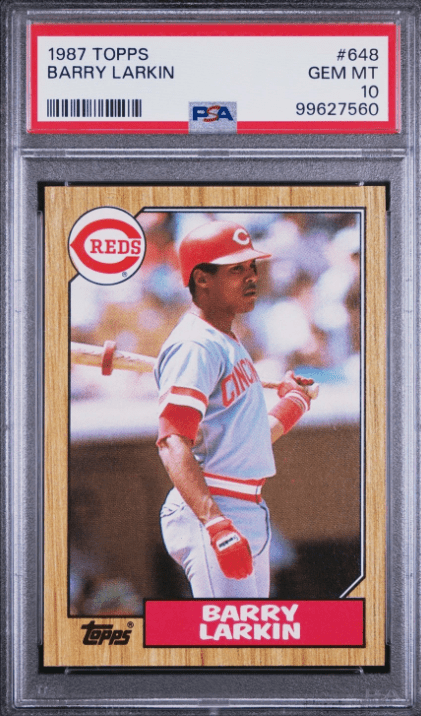
1987 Topps Barry Larkin PSA 10 graded baseball card
-
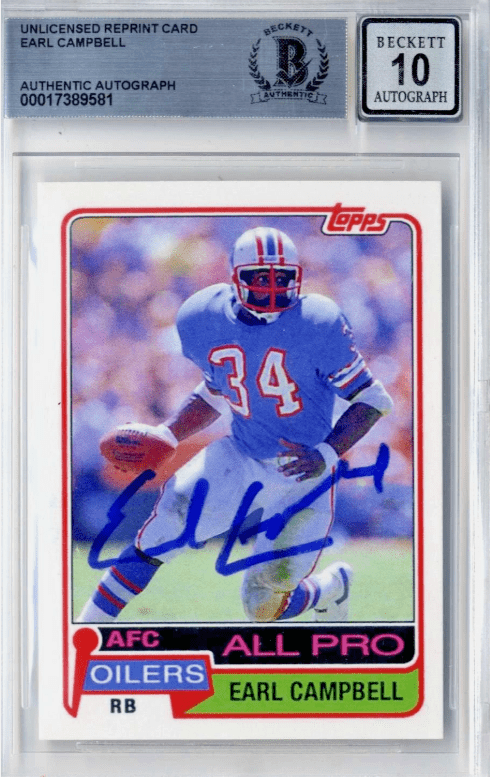
Earl Campbell Beckett 10 graded sports card.
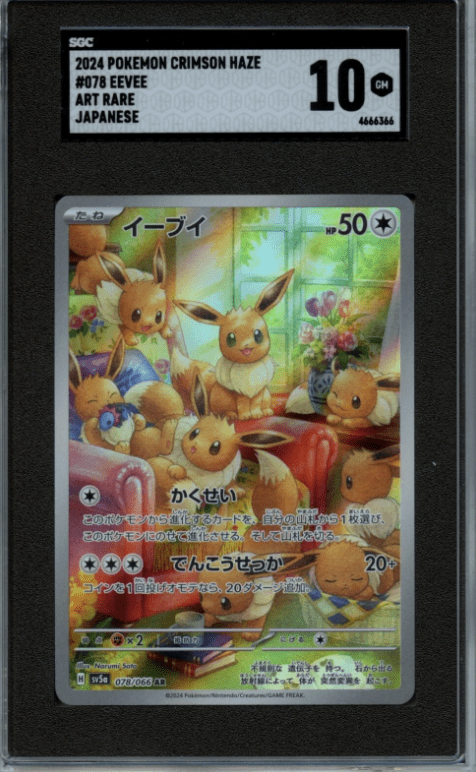
2024 Pokemon SGC 10 graded TCG Card
Each company seals the card in a tamper-evident plastic holder, often called a “slab,” with the grade and certification number displayed.
Collectors value grading because it adds:
-
Authentication
-
Condition transparency
-
Market trust
-
Liquidity for resale
Why Do Collectors Grade Cards?
There are three main reasons:
1. Increase Value
High-grade cards can sell for multiples of their raw versions.
2. Protect the Card
Slabs preserve condition long term.
3. Establish Credibility
A graded card removes condition disputes between buyers and sellers.
For high-end rookie cards, vintage baseball cards, and rare TCG cards, grading is often considered essential.
Does Every Card Need to Be Graded?
No.
Grading makes the most sense for:
-
Rookie cards
-
Short prints
-
Serial-numbered parallels
-
Vintage cards
-
High-value TCG chase cards
Grading low-value base cards rarely makes financial sense due to submission fees.
How Grading Changed the Hobby
Before grading became mainstream, condition debates were subjective.
Today, graded cards create structured pricing tiers. A PSA 10 can command massive premiums compared to a PSA 8 of the same card.
Card grading has turned trading cards into:
-
Standardized collectibles
-
Alternative investments
-
Long-term preserved assets
Final Thought: Why Grading Matters
In modern collecting, rarity gets attention but condition determines ceiling.
Two collectors can own the same rookie card.
The graded Gem Mint version often becomes the true centerpiece.
Card grading doesn’t just evaluate cardboard.
It defines market value.