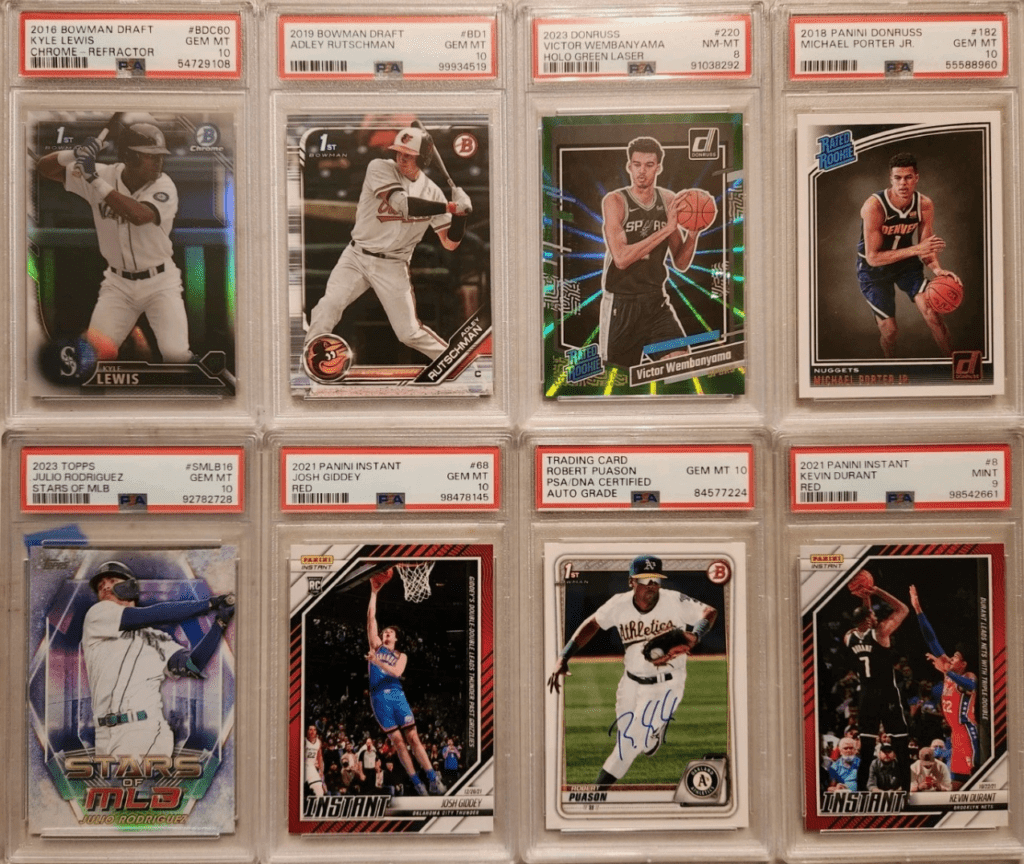
What Is Card Grading? Why Condition Changes Everything
Two identical cards.
Same player. Same year. Same set.
One sells for $75.
The other sells for $750.
What’s the difference?
Condition – and grading.
Card grading is the professional evaluation of a trading card’s condition by a third-party company. Once graded, the card is sealed in a protective holder and assigned a numerical score that reflects its overall quality.
In today’s market, grading can dramatically affect value.
What Does Card Grading Measure?
Professional grading companies evaluate four main categories:
-
Centering – How evenly the card’s image is positioned
-
Corners – Sharpness and wear
-
Edges – Chipping or imperfections
-
Surface – Scratches, print lines, dents, gloss
Each factor contributes to a final grade, typically on a 1–10 scale.
A “Gem Mint 10” represents near-perfect condition.
An 8 or 9 may still be excellent — but small flaws can reduce value significantly.
Who Grades Trading Cards?
-
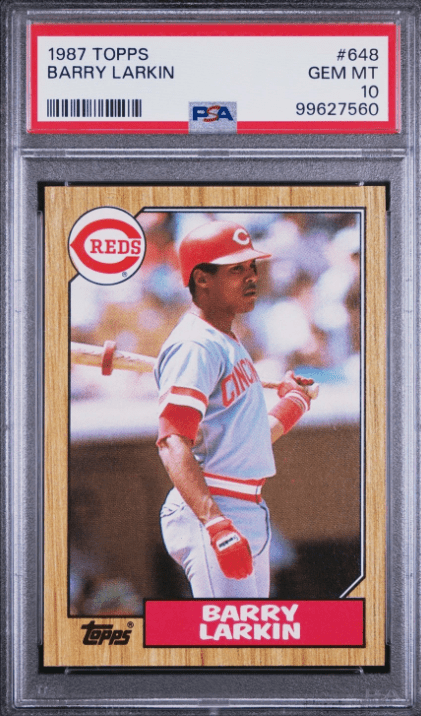
PSA (Professional Sports Authenticator)

1987 Topps Barry Larkin PSA 10 graded baseball card
-
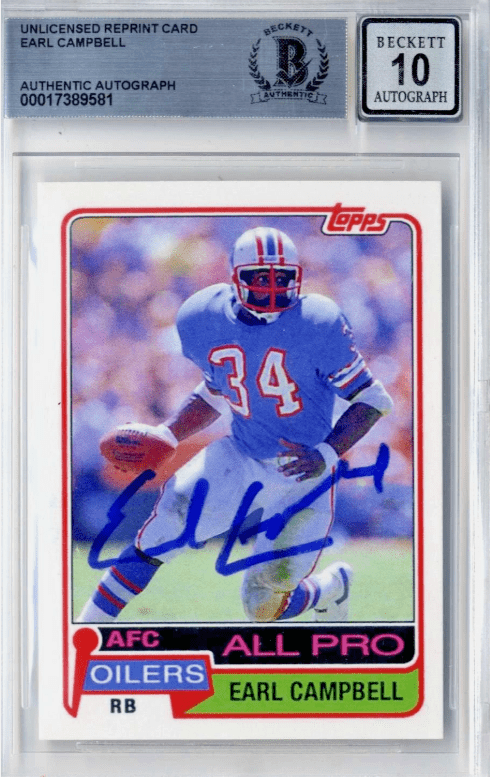
Earl Campbell Beckett 10 graded sports card.
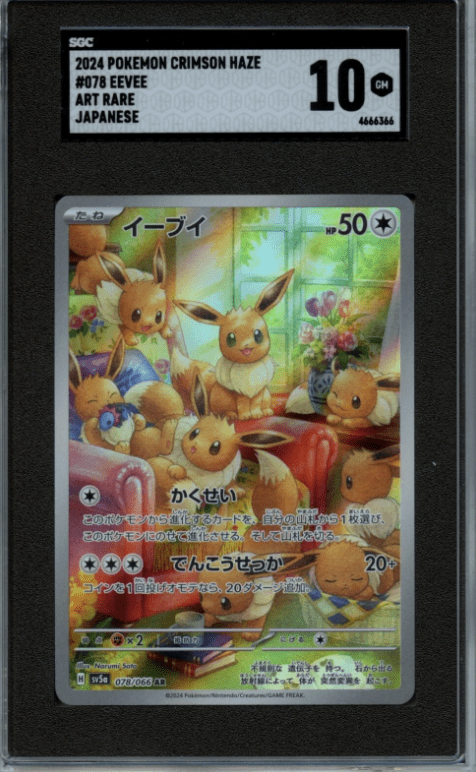
2024 Pokemon SGC 10 graded TCG Card
Each company seals the card in a tamper-evident plastic holder, often called a “slab,” with the grade and certification number displayed.
Collectors value grading because it adds:
-
Authentication
-
Condition transparency
-
Market trust
-
Liquidity for resale
Why Do Collectors Grade Cards?
There are three main reasons:
1. Increase Value
High-grade cards can sell for multiples of their raw versions.
2. Protect the Card
Slabs preserve condition long term.
3. Establish Credibility
A graded card removes condition disputes between buyers and sellers.
For high-end rookie cards, vintage baseball cards, and rare TCG cards, grading is often considered essential.
Does Every Card Need to Be Graded?
No.
Grading makes the most sense for:
-
Rookie cards
-
Short prints
-
Serial-numbered parallels
-
Vintage cards
-
High-value TCG chase cards
Grading low-value base cards rarely makes financial sense due to submission fees.
How Grading Changed the Hobby
Before grading became mainstream, condition debates were subjective.
Today, graded cards create structured pricing tiers. A PSA 10 can command massive premiums compared to a PSA 8 of the same card.
Card grading has turned trading cards into:
-
Standardized collectibles
-
Alternative investments
-
Long-term preserved assets
Final Thought: Why Grading Matters
In modern collecting, rarity gets attention but condition determines ceiling.
Two collectors can own the same rookie card.
The graded Gem Mint version often becomes the true centerpiece.
Card grading doesn’t just evaluate cardboard.
It defines market value.