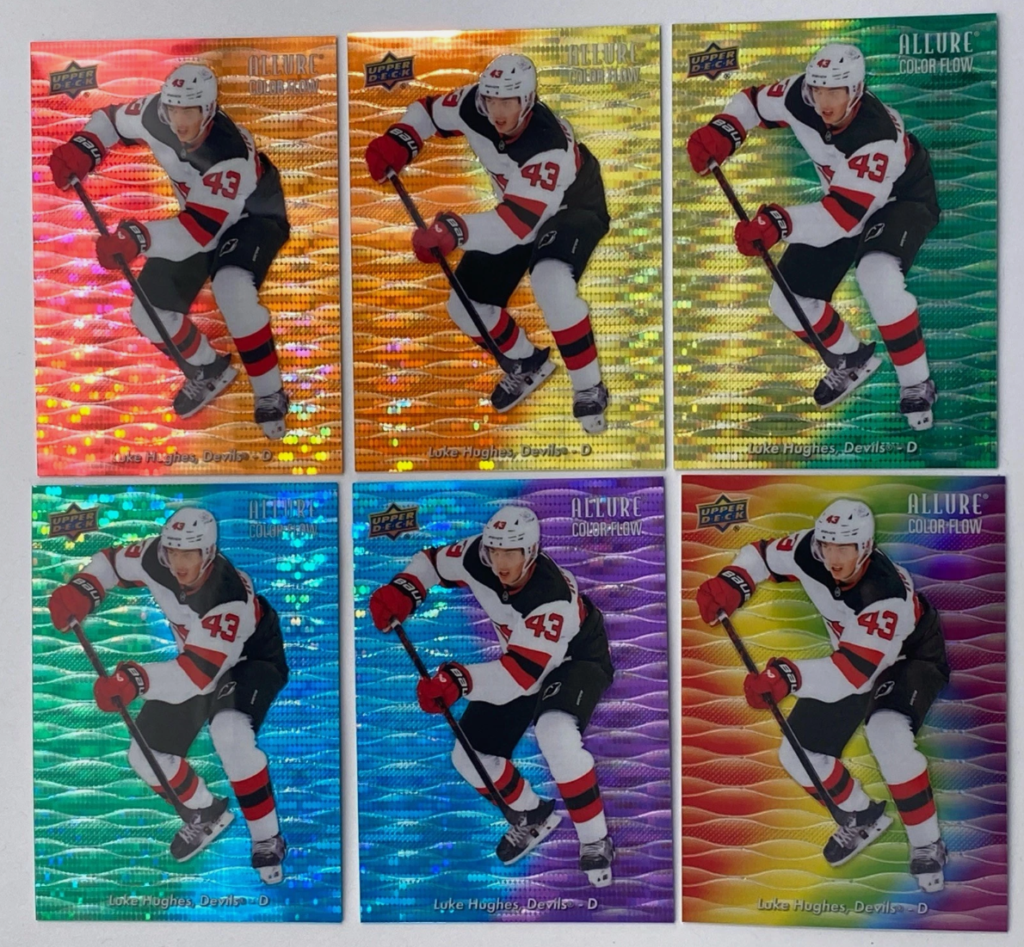
What Is a Trading Card Parallel? Understanding One of the Most Important Concepts in Trading Cards
What Is a Trading Card Parallel?
If you’ve opened modern packs, you’ve seen them.
Same player.
Same photo.
Different color.
Different shine.
That’s a trading card parallel.
A parallel is a variation of a base card that features a different color, foil treatment, pattern, or serial numbering. It runs “parallel” to the base version — same design foundation, but upgraded in rarity or visual appeal.
How do trading card Parallels Work?
Most trading card sets begin with a base checklist. From there, manufacturers create multiple parallel versions of those same cards.
For example, a standard MLB base card might have:
-
Blue parallel
-
Green parallel
-
Gold /50
-
Orange /25
-
Red /5
-
1/1 Superfractor
Same card. Increasing scarcity.
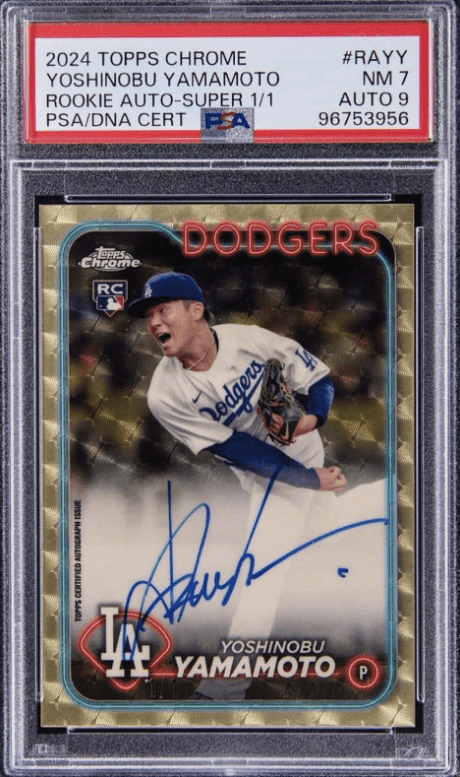
2024 Topps Chrome Yoshinobu Yamamoto Superfractor – Trading Card Parallel
In TCG products like Pokémon or Magic: The Gathering, trading card parallels often appear as:
-
Reverse holo versions
-
Full-art variants
-
Secret rares
-
Alternate art foils
Different finish. Same core card identity.
Why Do Parallels Exist?
Parallels serve a few key purposes:
1. Scarcity
Lower print runs create rarity tiers within the same set.
2. Visual Variety
Collectors love color matching team uniforms or character themes.
3. Chase Factor
Parallels give collectors something beyond the base checklist to hunt.
4. Tiered Value Structure
A base rookie card might be affordable.
The /10 gold parallel? Completely different price tier.
What Is a Rainbow?
In sports cards, building a “rainbow” means collecting every parallel version of the same card.
If a card has 15 color variations, completing the rainbow means owning all 15.
It’s one of the most respected achievements in modern collecting.
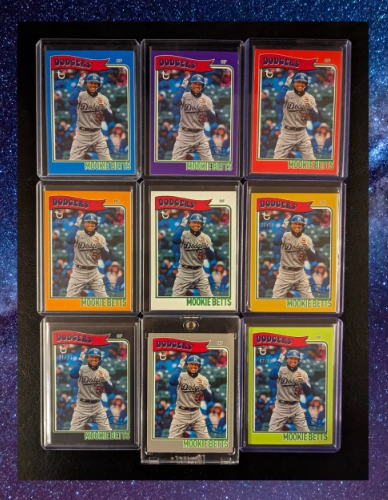
Topps Rainbow Trading Card Parallel Set
Do Parallels Increase Value?
Often, yes — but it depends on:
-
Player or character popularity
-
Serial numbering
-
Overall product demand
-
Condition and grading
A serial-numbered /25 parallel of a top rookie will typically command a premium over the base version. A 1/1 parallel becomes the only copy in existence, making it highly collectible.
However, not all parallels carry equal weight. Overproduction can dilute long-term value.
Why Collectors Love Parallels
Parallels combine scarcity with aesthetics.
Some collectors chase rarity.
Some chase color matches.
Some build rainbows.
Some only collect numbered versions.
Parallels add depth to modern trading cards. They create layers within a single checklist and keep products exciting long after release day.
In today’s hobby, understanding parallels isn’t optional.
It’s essential.