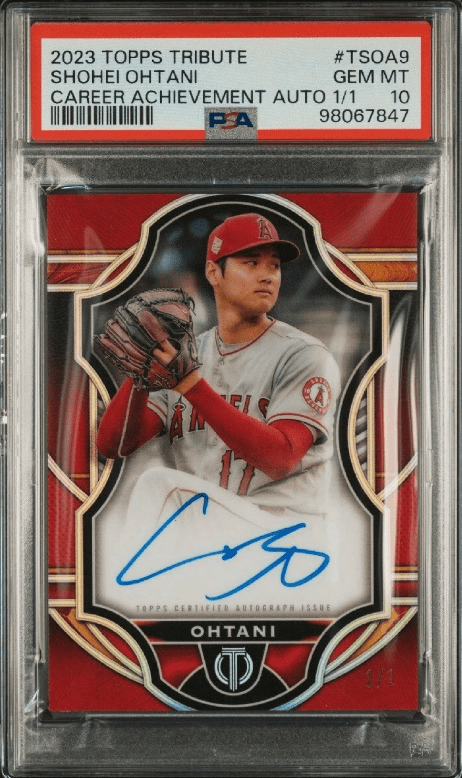
What Is a Chase Card? The Card Everyone Is Hunting
Every product has one.
The card collectors talk about before release.
The card that spikes group break prices.
The card that makes a box worth ripping.
That’s a chase card.
A chase card is a rare, highly desirable card in a set that collectors are actively trying to pull from packs. It’s the centerpiece. The headline. The reason people buy.
Why Is It Called a Chase Card?
Because you’re chasing it.
Manufacturers intentionally include limited, low-print, or premium versions of certain cards to create excitement. These cards aren’t easy to pull. The scarcity is the point.
In sports cards, chase cards often include:
-
Rookie autographs
-
Low-numbered parallels ( /25, /10, 1/1 )
-
Superfractors or gold refractors
-
On-card signatures
-
Patch autograph combinations

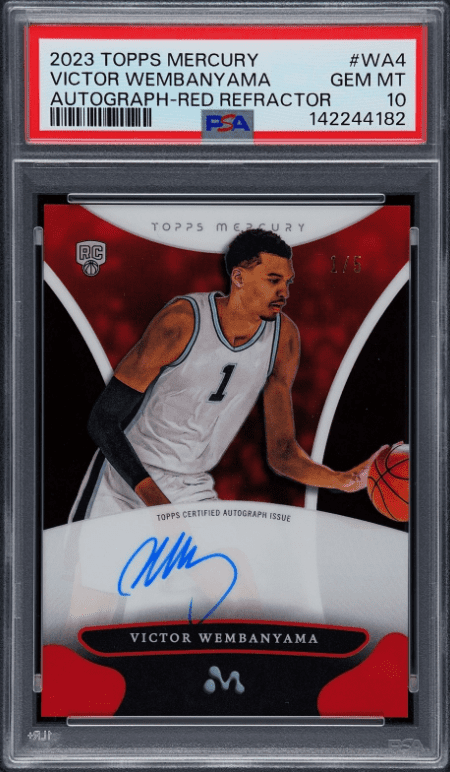
2023 Topps Mercury Victor Wembanyama Autographed Red Refractor chase card
In TCG cards like Pokémon or Magic: The Gathering, chase cards might be:
-
Secret rares
-
Alternate art foils
-
Full-art ultra rares
-
Serialized promotional cards
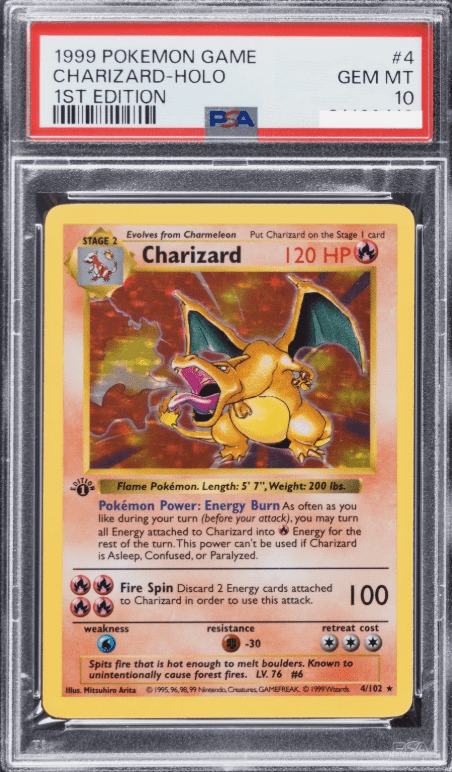
1999 Pokemon Charizard chase card
Different genre. Same concept.
What Makes a Card a Chase Card?
Not every rare card becomes a chase card. It usually needs a combination of:
1. Scarcity
Low print runs or serial numbering create supply pressure.
2. Star Power
Big-name rookies, MVPs, Hall of Famers, or iconic TCG characters drive demand.
3. Visual Impact
Chrome finishes, gold borders, cracked ice patterns, color blasts — eye appeal matters.
4. Market Buzz
Pre-release hype, early big pulls, or viral social media moments can elevate a card instantly.
When scarcity meets demand, a chase card is born.
How Chase Cards Drive the Hobby
Chase cards fuel:
-
Box sales
-
Group breaks
-
Secondary market pricing
-
Social media engagement
-
Long-term product value
When a new set releases, collectors ask one question first:
“What’s the chase?”
If the answer is strong, the product moves.
Are Chase Cards Always Valuable?
Often, but not always.
Some chase cards spike early and settle. Others become long-term grails. Condition plays a massive role — a high-grade example authenticated by companies like PSA can dramatically increase resale value.
Timing also matters. Rookie hype cycles, championship runs, and competitive TCG meta shifts can all affect demand.
Why Collectors Love the Chase
It’s not just about money.
It’s about:
-
The adrenaline of ripping packs
-
The surprise factor
-
The possibility of hitting something massive
-
The bragging rights
That moment when you flip the card over and see a low serial number or gold foil shimmer? That’s why people collect.
Chase cards create stories.
And stories are what make the hobby fun.