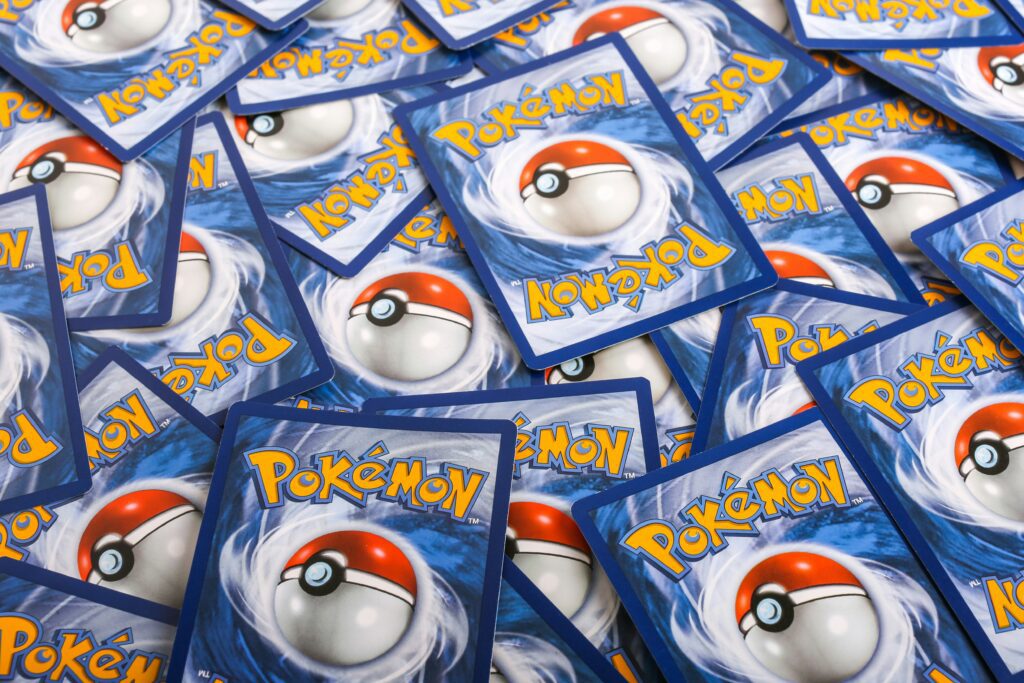
What Are TCG Cards? A Beginner’s Guide to Trading Card Games
If you’ve ever opened a booster pack, built a deck, or battled across a tabletop, you already know – TCG cards are more than collectibles.
They’re strategy.
They’re competition.
They’re community.
TCG stands for Trading Card Game. Unlike traditional sports cards, TCG cards are designed to be played. Every card has a purpose inside a larger system of rules, mechanics, and deck-building strategy.
What Makes TCG Cards Different?
TCG cards aren’t just images on cardboard. Each card typically includes:
-
A name and card type
-
Abilities or effects
-
Attack or power values
-
Energy or cost requirements
-
Rarity designation
The goal isn’t just to collect – it’s to construct a playable deck and compete against another player.
Popular trading card games like Pokémon, Magic: The Gathering, and Yu-Gi-Oh! have built global competitive scenes around deck strategy and organized play.
That competitive layer is what separates TCG cards from standard trading cards.
How Do TCG Cards Work?
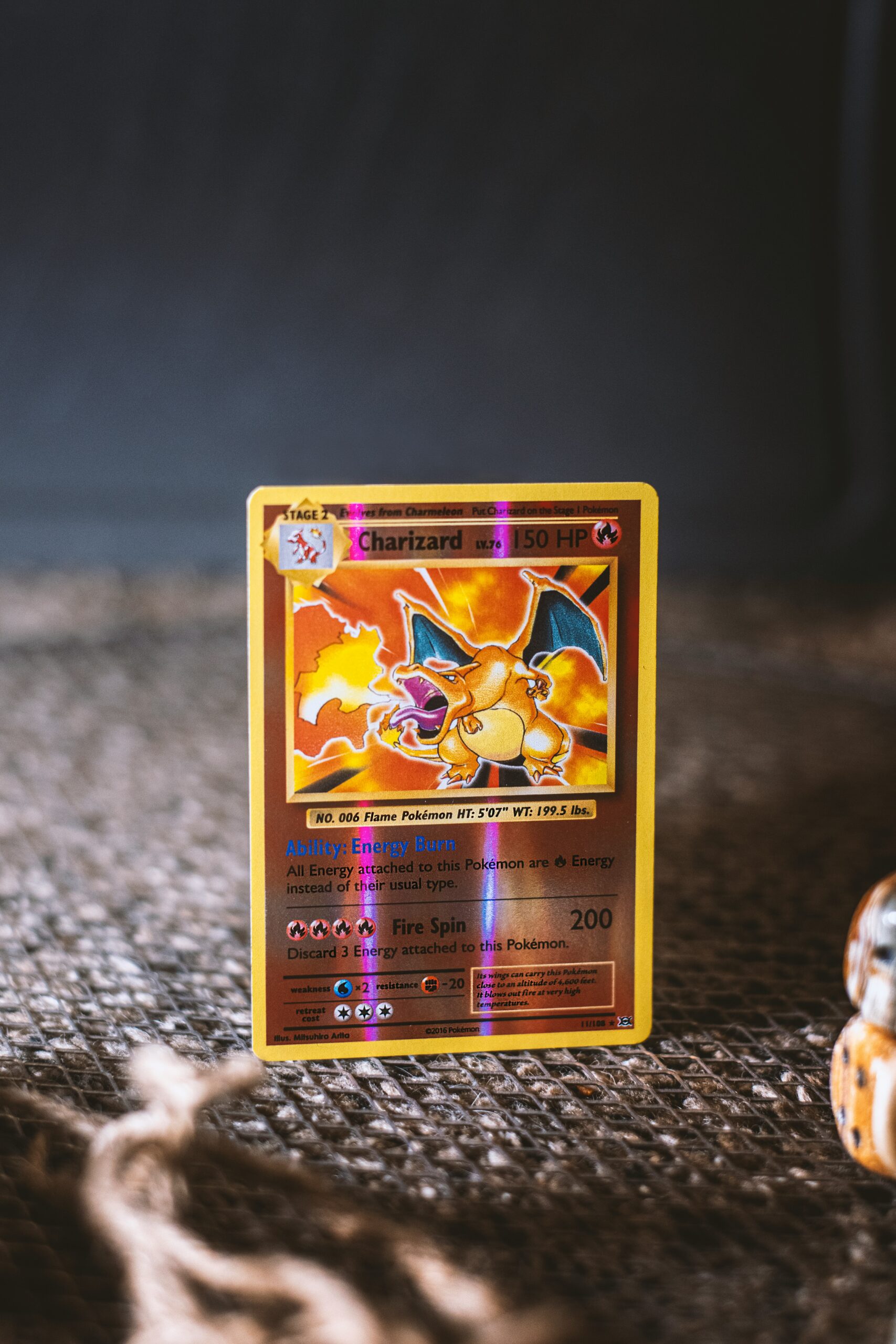
Among the most sought after TCG cards – CHARZARD POKEMON
Every trading card game has its own rule set, but most follow a similar structure:
-
Players build custom decks.
-
Cards are drawn from the deck.
-
Players take turns using abilities, summoning characters, or attacking.
-
Strategy and timing determine the winner.
Deck construction is everything. Competitive players study card interactions, rarity pools, and meta trends to gain an advantage.
What Does Rarity Mean in TCG Cards?
Rarity is a major part of the appeal.
Most TCG sets include:
-
Common cards
-
Uncommon cards
-
Rare cards
-
Ultra Rare / Secret Rare
-
Special foil or alternate art versions
Opening a booster pack and pulling a high-rarity foil or chase card is part of the excitement. Some TCG cards become highly valuable due to competitive demand, low print runs, or cultural popularity.
Why Are TCG Cards So Popular?
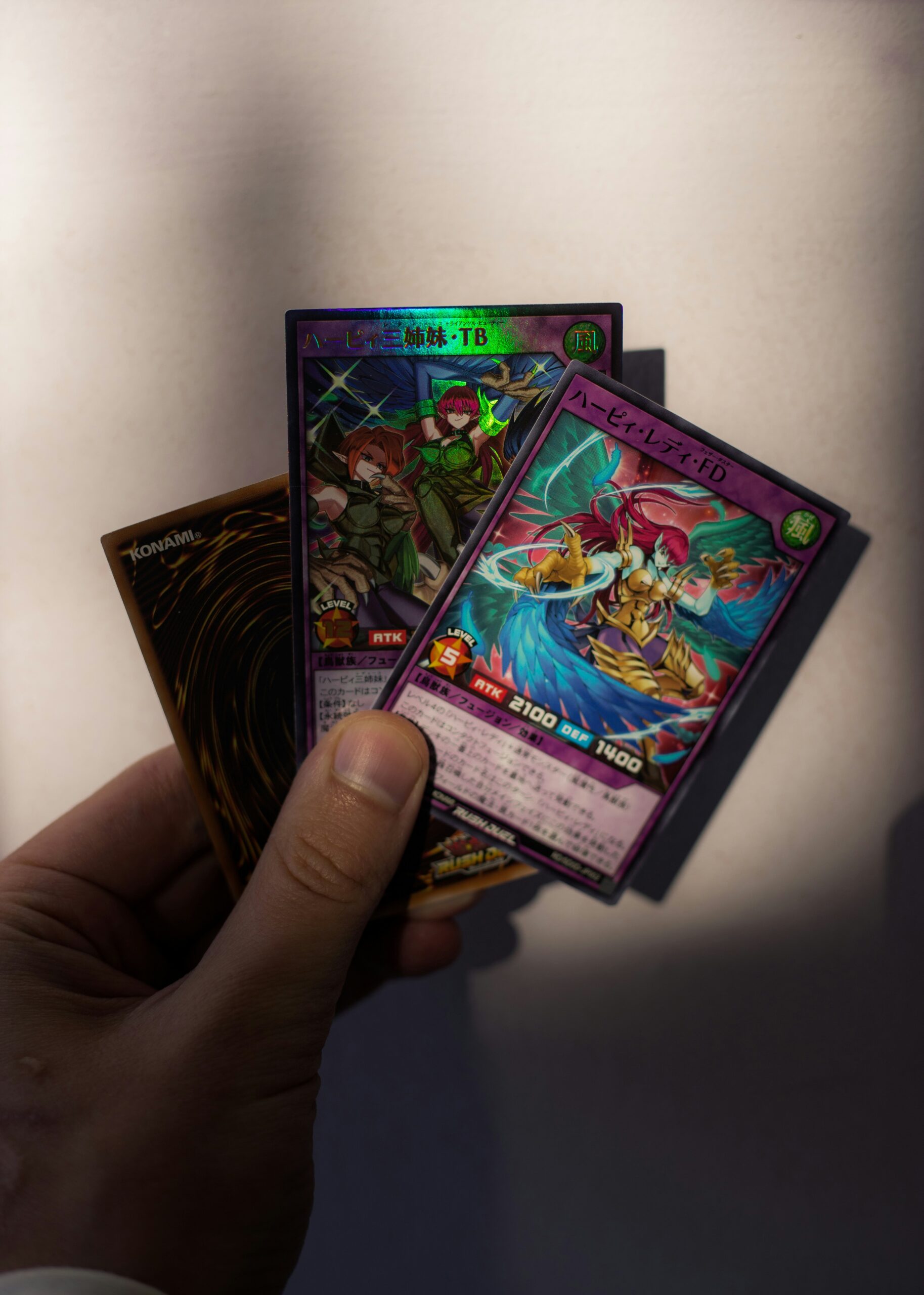
Yu-Gi-Oh – Among the most sought after TCG cards
There are a few big reasons:
Strategy
Unlike traditional sports cards, TCG cards require skill and planning. You’re not just collecting — you’re competing.
Community
Local game stores host weekly tournaments. Major championships draw international players.
Constant Innovation
New sets release regularly, introducing fresh mechanics and keeping the game evolving.
Collectability
Even players who don’t compete still collect favorite characters, rare variants, and graded cards.
The Future of TCG Cards
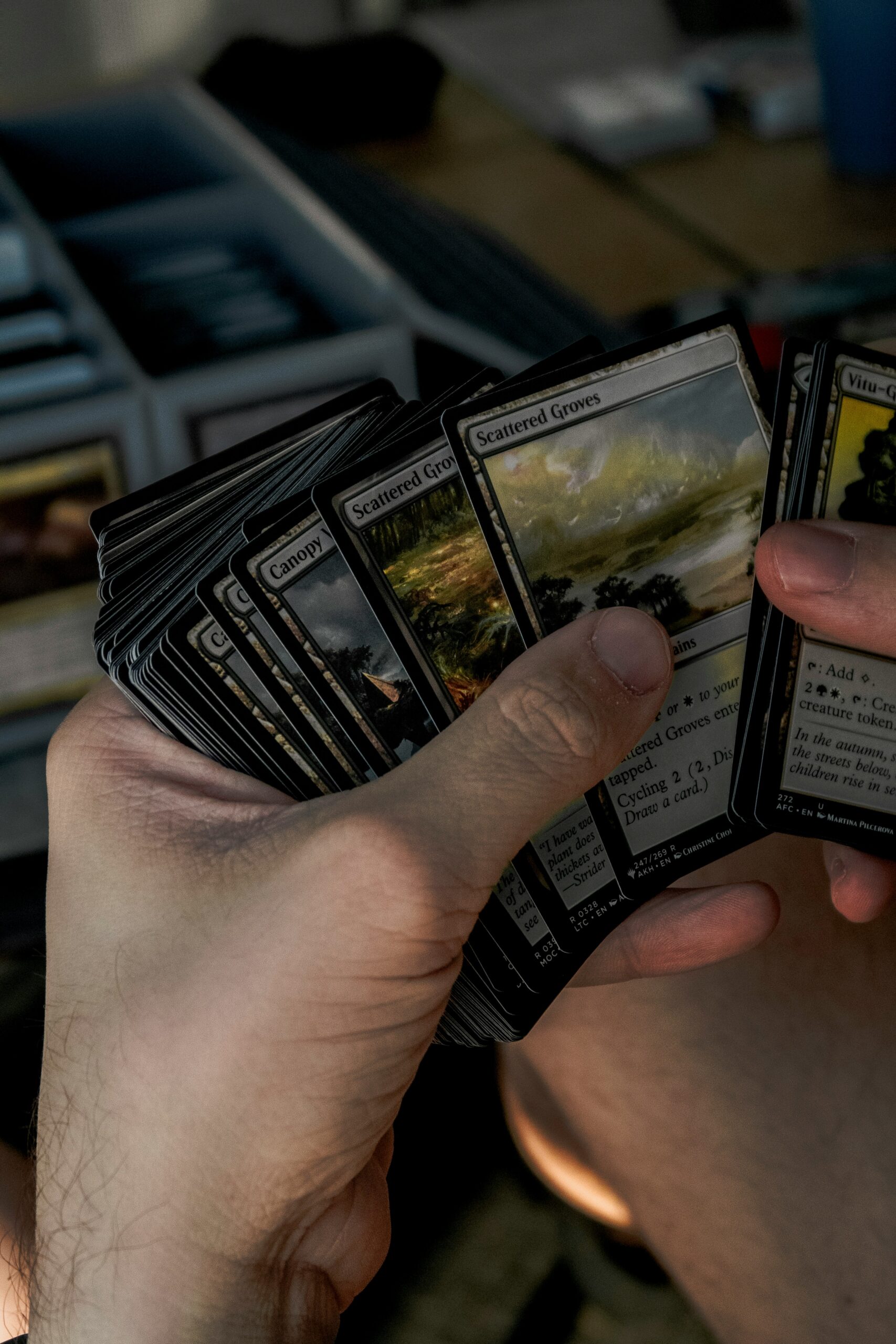
Magic: The Gathering – Another popular option among collectors.
The TCG market continues to expand globally. Younger collectors enter through recognizable franchises, while veteran players remain loyal for the gameplay depth.
Digital integration, livestreamed tournaments, and social media pack openings have only accelerated interest.
TCG cards aren’t slowing down.
They blend game mechanics, art, rarity, and competition into one ecosystem – and that combination keeps collectors coming back.