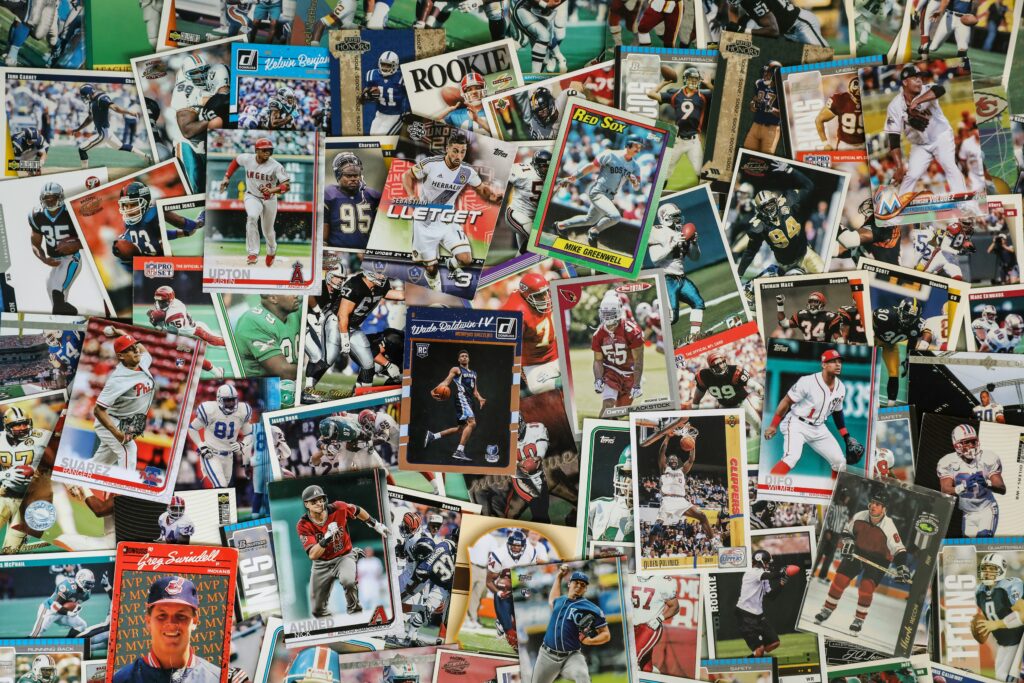
Trading Cards 101: What Are Trading Cards & Where Did They Start?
Trading cards are more than cardboard. They are history, nostalgia, competition, art, and investment – all packed into a collectible format that has captivated generations.
Whether you collect sports cards, TCG cards, or both, understanding where the hobby began and where it’s going gives you a true collector’s perspective.
What Are Trading Cards?
At their core, trading cards are collectible cards featuring athletes, characters, teams, or themes. They typically include:
-
Player or character imagery
-
Statistics or abilities
-
Brand and series information
-
Rarity indicators
-
Special finishes like foil, holographic, or serial numbering
In sports, companies like Topps and Panini produce licensed baseball, football, basketball, and soccer cards.
In the TCG world, games like Pokémon, Magic: The Gathering, and Yu-Gi-Oh! dominate with competitive, strategy-based ecosystems.
Some cards are common. Others are rare chase cards, parallels, autographs, patch cards, or one-of-ones.
And that rarity? That’s where things get interesting.
Trading cards date back to the late 1800s when tobacco companies inserted baseball cards into cigarette packs to stiffen packaging.
The 1909 T206 Honus Wagner became one of the most famous and valuable cards in hobby history.
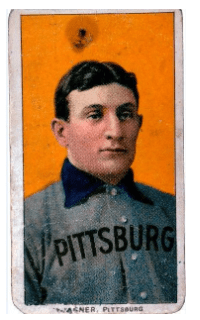
The Honus Wagner 1909 T206 cigarette pack card is the most sought after trading card in the hobby. This is one of the two copies owned by the Baseball Hall of Fame in Cooperstown, NY.
By the 1950s, Topps revolutionized the industry with modern designs and gum-pack distribution – including the iconic 1952 Mickey Mantle card that would later sell for millions.
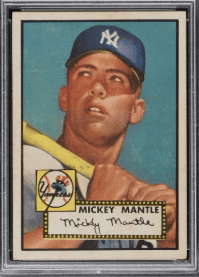
Mickey Mantle’s 1952 Topps Trading Card, while not technically a Rookie Card is extremely rare and the modern standard for a desirable collectible.
From there, the hobby evolved through:
-
The junk wax era of the 1980s–90s
-
The autograph and patch boom of the 2000s
-
The grading explosion led by companies like PSA & Beckett
-
The pandemic-era surge of 2020
Each era shaped how collectors view rarity, value, and condition.
Our Final Thought: It’s More Than Cardboard
Trading cards tell stories.
They capture moments.
They celebrate greatness.
They reward patience and knowledge.
Whether you’re chasing a grail, building a set, or ripping packs on release day, collecting sports cards is about the thrill of discovery and the joy of ownership.