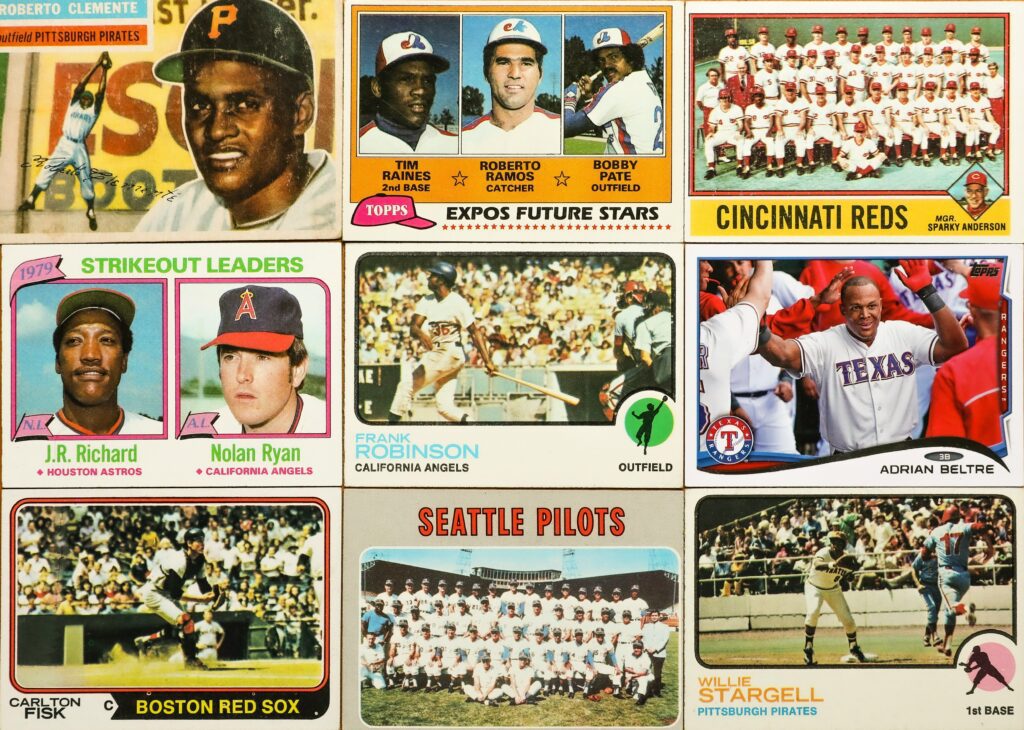
Baseball Cards 101: The Evolution of Cardboard
Before Pokémon.
Before modern parallels.
Before million-dollar auction headlines.
There were baseball cards.
Baseball cards are the foundation of the entire trading card industry. They shaped how we collect, trade, grade, and value cardboard today.
Baseball cards date back to the late 1800s when tobacco companies inserted small player cards into cigarette packs as promotional inserts.
One of the most legendary cards ever produced is the 1909 T206 Honus Wagner — widely considered the holy grail of baseball cards.
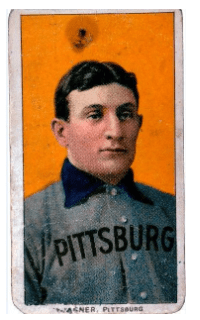
Honus Wagner 1909 is the most sought after trading card in the hobby.
In the 1950s, Topps changed the game forever by packaging baseball cards with gum and producing full annual sets. The 1952 Mickey Mantle card remains one of the most iconic and valuable post-war baseball cards in existence.
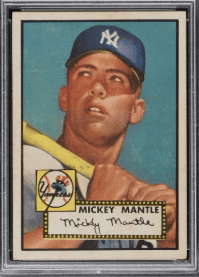
Mickey Mantle’s 1952 Topps Trading Card, while not technically a Rookie Card is extremely rare and the modern standard for a desirable collectible.
Baseball didn’t just participate in the hobby — it built it.
What Makes Baseball Cards So Popular?
1. Deep Historical Roots
Baseball is often called America’s pastime. The card history mirrors the sport’s legacy, connecting generations of collectors.
2. Rookie Cards
Collectors obsess over first-year cards of future Hall of Famers. A true rookie card can define a player’s long-term value.
3. Statistics & Storytelling
Baseball is a numbers-driven sport. Cards showcase batting averages, ERA, home runs, strikeouts — giving collectors a statistical snapshot of a player’s career.
4. Condition Sensitivity
Grading has transformed the baseball card market. High-grade examples authenticated by companies like PSA can multiply a card’s value dramatically.
5. The Chase
Modern baseball cards include:
-
Autograph cards
-
Relic and patch cards
-
Serial-numbered parallels
-
Short prints and image variations
-
One-of-one superfractors
That pack-ripping adrenaline? Baseball helped invent it.
Baseball cards have evolved dramatically over the decades.
The junk wax era of the late 1980s and early 1990s flooded the market with overproduction. Scarcity became less meaningful.
Then came innovation:
-
On-card autographs
-
Game-used jersey relics
-
Limited print runs
-
Chrome technology and refractors
-
Ultra-premium releases
Today, baseball card collecting blends nostalgia with modern rarity mechanics. Vintage collectors chase pre-war legends. Modern collectors build rainbow parallels of current stars.
Both sides fuel the hobby.
Where Baseball Cards Are Headed
The future of baseball cards is being shaped by:
-
Increased grading transparency
-
Direct-to-consumer releases
-
Shorter print runs
-
Digital tracking and marketplaces
-
Younger collectors entering through modern breaks
- Custom Baseball Cards companies such as NCASE CARDS.
Baseball cards remain the heartbeat of the sports trading card world.
They started the hobby.
They survived overproduction.
They adapted to innovation.
And they’re not slowing down anytime soon.