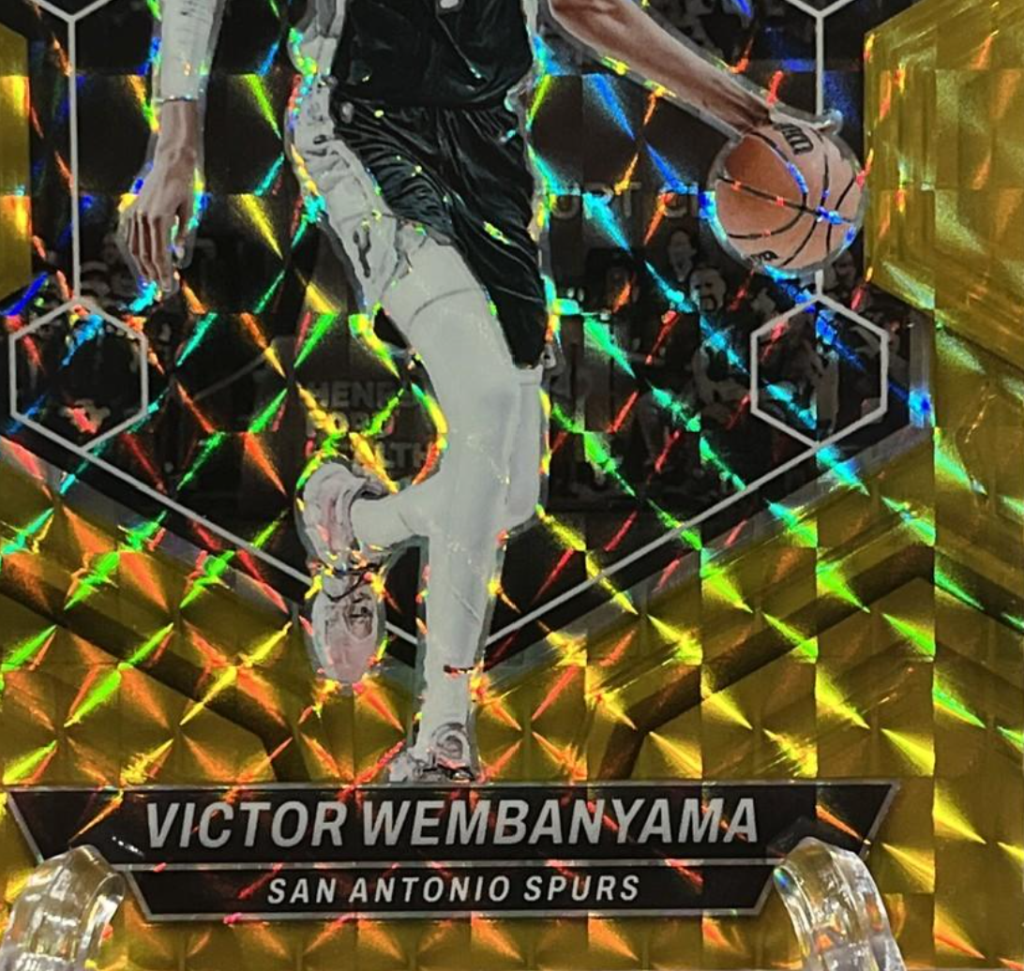
Holographic vs. Foil Trading Cards: Finishes Explained
Holographic & Foil Trading Card Finishes: The Complete Collector’s Guide
Few things capture the excitement of collecting sports cards quite like pulling a card that shines differently from everything else in the pack.
Maybe it’s a baseball card with a rainbow holographic effect. A football rookie card featuring reflective gold foil. A basketball parallel with a cracked ice pattern. Or a rare Refractor that changes appearance as you tilt it under the light.
These premium finishes have become an important part of modern trading card collecting.
But what exactly is the difference between holographic and foil trading cards? Are Refractor cards holographic? What makes Chrome cards different? And do premium finishes actually make sports cards more valuable?
Whether you’re collecting baseball, football, basketball, soccer, hockey, Pokémon, or personalized sports cards, understanding card finishes can help you identify what you own, recognize special variations, and make more informed collecting decisions.
This complete guide explores the most popular holographic and foil trading card finishes, how they work, what makes them collectible, and how similar effects can be used to create professional-quality custom trading cards.
What Are Holographic and Foil Trading Card Finishes?
Holographic and foil trading card finishes are decorative materials or printing effects that create reflective, metallic, patterned, or color-shifting surfaces on collectible cards. Foil finishes typically produce metallic shine, while holographic finishes use optical patterns that create changing colors or visual effects when viewed from different angles.
These finishes are commonly found on sports cards, trading card game collectibles, limited-edition releases, inserts, parallels, and premium custom trading cards.
The terms are sometimes used interchangeably, but they can describe different printing materials and visual characteristics.
Quick Answer: Holographic vs. Foil Trading Cards
The main difference between holographic and foil trading cards is the visual effect. Metallic foil generally creates a reflective silver, gold, or colored surface. Holographic foil produces rainbow-like or patterned optical effects that change as the card moves under light.
Both finishes can be used on standard cards, rare parallels, or limited editions.
A shiny card is not automatically rare, and a holographic card is not necessarily serial numbered.
What Is a Holographic Trading Card?
A holographic trading card is a collectible card featuring a holographic or holographic-style material that creates changing reflective patterns or colors.
When the card is tilted under a light source, portions of its surface may appear to shift through different colors or display distinctive optical patterns.
These effects can create the appearance of movement, depth, or a rainbow sheen.
Holographic finishes are used across sports cards, trading card games, and custom collectibles.
How Do Holographic Trading Cards Work?
Many commercial holographic card finishes use specialty films or foils with microscopic surface patterns.
These structures interact with light to create colorful optical effects.
When the viewing angle changes, the visible colors or reflective patterns can change as well.
Although the term “holographic” is commonly used throughout the hobby, not every holographic-looking card contains a true three-dimensional hologram.
Some use diffractive foils, patterned films, reflective coatings, or other optical technologies.
For collectors, the most recognizable feature is the dynamic appearance of the card under different lighting conditions.
Why Do Collectors Like Holographic Cards?
Holographic finishes have several appealing characteristics.
Visual excitement: Reflective rainbow effects make cards stand out within a collection.
Distinctive designs: Holographic treatments can make familiar player artwork appear dramatically different.
Collecting variety: Manufacturers can create multiple versions of the same card using different foil patterns or finishes.
Display appeal: Holographic cards can look especially impressive in protective cases or under carefully positioned lighting.
Personal connection: A favorite athlete’s card may feel even more special when presented with a premium finish.
These features help explain why holographic trading cards remain popular among collectors.
What Is a Foil Trading Card?
A foil trading card is a collectible card that incorporates a thin decorative metallic or reflective layer to enhance its appearance.
Foil effects may appear across the entire card or in selected areas, such as player names, borders, logos, backgrounds, and other design elements.
Gold, silver, copper, and colored metallic foils are common examples.
Foil finishes can give a trading card a polished, reflective appearance that differs from ordinary printed ink.
What Is Foil Stamping on Trading Cards?
Foil stamping is a finishing process that transfers a thin decorative foil to selected parts of a printed surface, commonly using a stamping die, heat, and pressure.
For trading cards, foil stamping may be used to highlight names, logos, edition numbers, borders, or decorative artwork.
Other production methods can also create metallic effects, including specialized films, laminates, and metallic substrates.
Not every shiny card is hot-foil stamped.
What Are the Most Common Foil Colors?
Popular metallic finishes include:
- Gold foil
- Silver foil
- Copper foil
- Red metallic foil
- Blue metallic foil
- Green metallic foil
- Purple metallic foil
- Rainbow or multicolor specialty foil
The exact color and visual appearance depend on the materials and production method.
Holographic vs. Foil Trading Cards: What’s the Difference?
Although holographic and metallic foil finishes can both make cards reflective, their visual appearances are not identical.
| Feature | Holographic Finish | Metallic Foil Finish |
|---|---|---|
| Main appearance | Rainbow or patterned optical effects | Metallic shine |
| Color movement | Often changes with viewing angle | Usually retains a dominant metallic color |
| Common effects | Rainbow, prismatic, patterned holographic | Gold, silver, copper, metallic colors |
| Application | Full card or selected areas | Full card or selected areas |
| Use on parallels | Common | Common |
| Always serial numbered? | No | No |
| Automatically valuable? | No | No |
| Suitable for custom cards? | Yes, when supported | Yes, when supported |
A holographic finish can itself be manufactured using foil materials, so these categories are not always mutually exclusive.
The most important distinction is the intended visual effect.
Foil generally emphasizes metallic reflection. Holographic treatments emphasize optical color shifts or patterns.
What Are Rainbow Holographic Trading Cards?
Rainbow holographic trading cards feature reflective finishes that display multiple colors as the card is moved under light.
These effects may appear across the card background, portions of the artwork, or the entire visible surface.
A rainbow finish can create a dynamic appearance without requiring a completely different card design.
Are Rainbow Holographic Cards Rare?
Not necessarily.
A rainbow holographic finish describes appearance, not production quantity.
Some rainbow holographic cards are widely distributed, while others belong to scarce parallels or special limited editions.
Collectors should check the product checklist, parallel name, and
before assuming a rainbow card is rare.
Are Rainbow Holographic and Rainbow Foil the Same?
The terms can overlap, but manufacturers may use them to describe different materials or product variations.
A “Rainbow Foil” card might refer to a specific named parallel rather than every card displaying rainbow-colored reflections.
For accurate identification, use the manufacturer’s official parallel name whenever possible.
What Are Cracked Ice Trading Cards?
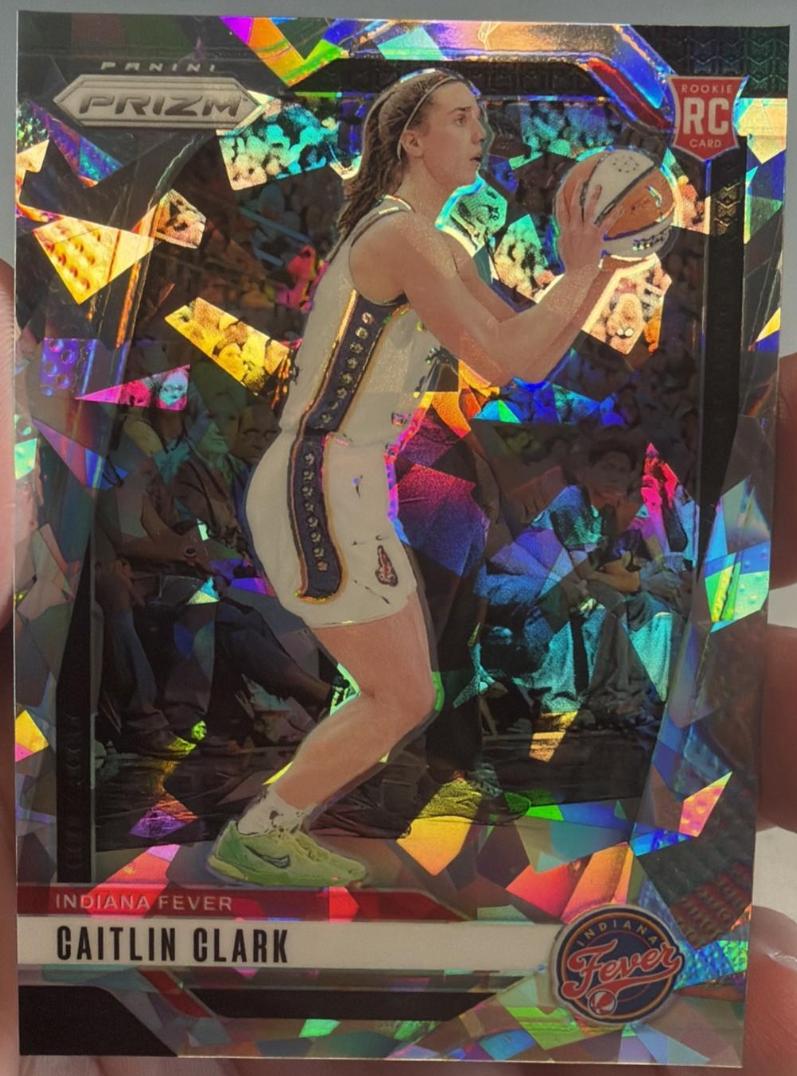
Cracked ice trading cards feature a reflective pattern resembling fractured ice, broken glass, or irregular geometric shards.
The pattern creates multiple reflective surfaces that catch light from different angles.
Cracked ice is a popular appearance in modern sports card collecting and can be especially striking when combined with player photography and bold card artwork.
Why Is It Called Cracked Ice?
The name comes from the fragmented visual pattern.
Rather than showing a continuous rainbow effect, a cracked ice finish has an angular texture resembling pieces of frozen or shattered material.
Are Cracked Ice Cards Rare?
Some cracked ice parallels are produced in limited quantities, but others may be more widely available.
The design alone does not establish rarity.
A cracked ice card numbered to 10 has a clearly stated edition size of 10, while an unnumbered cracked ice card does not provide that same production information.
Edition sizes and scarcity vary by product.
Cracked Ice vs. Rainbow Holographic Cards
Rainbow holographic finishes generally emphasize continuous color shifts or flowing optical reflections.
Cracked ice finishes emphasize a recognizable fractured geometric pattern.
Both can produce colorful reflective effects, but their textures and visual presentation are different.
What Are Chrome Trading Cards?
Chrome trading cards are collectibles manufactured using a metallic-looking card substrate or other reflective construction associated with Chrome-style products.
Within sports collecting, Topps Chrome and Bowman Chrome are among the best-known product families featuring this appearance.
Chrome cards typically have a smooth, highly reflective finish that differs from traditional paper-based cards.
Are Chrome Cards Holographic?
Not always.
A standard Chrome card can have a mirror-like or metallic appearance without being a Refractor or another rainbow-effect parallel.
The specific card type depends on the manufacturer’s product.
A card may be reflective because of its Chrome construction while lacking the color-shifting characteristics of a special parallel.
What Is the Difference Between Chrome and Foil Cards?
Chrome generally describes a particular category of reflective card construction or branded product technology.
Foil is a broader term referring to metallic or reflective materials used during card production.
Some Chrome-style cards use metallic or foil-based materials, but not every foil card is a Chrome card.
What Is a Refractor Trading Card?
A Refractor is a collectible card variation associated with Topps products that uses specialized reflective technology to produce a distinctive rainbow-like appearance when viewed under light.
Refractors are particularly recognizable in Topps Finest and Topps Chrome collecting.
A Refractor may resemble the standard Chrome version of a card, but its reflective treatment creates additional color-shifting effects.
What Is the Difference Between a Refractor and a Holographic Card?
A Refractor is a specific trading card product term, while holographic is a broader description of an optical finish.
Both may feature colorful reflections, but collectors should not assume that every holographic card is officially a Refractor.
The appropriate identification depends on the manufacturer and the product checklist.
What Are Colored Refractors?
Colored Refractors are alternate card variations that combine Refractor-style visual effects with a distinctive color.
Examples may include blue, green, gold, orange, red, or other versions, depending on the specific product.
Some colored Refractors are serial numbered, while others may not be.
Collectors should verify the edition size using the official product checklist.
What Is a Superfractor?
A Superfractor is a premium Topps parallel typically associated with an extremely limited edition, often a one-of-one card.
Superfractors are known for distinctive gold-toned reflective patterns.
However, collectors should confirm the official set details and numbering for any specific card.
What Is the Difference Between Refractor, Prizm, and Holo Cards?
These names can describe visually related effects, but they are not interchangeable across trading card manufacturers.
For example, Topps uses Refractor terminology in its Chrome-related products.
Panini uses Prizm terminology for certain collectible products and parallels.
Holo may be used by other products to describe a specific reflective variation.
Collectors should identify cards using the terminology established by the manufacturer.
Using the correct name matters when researching card values, checking population reports, building player collections, or listing cards for sale.
What Are the Most Popular Trading Card Finishes?
Modern collectors may encounter a wide range of finishes and visual effects.
The following table highlights common categories.
| Card Finish | Typical Appearance | Collector Appeal |
|---|---|---|
| Standard gloss | Smooth, shiny coating | Clean presentation |
| Matte | Nonreflective or subdued surface | Classic appearance |
| Metallic foil | Gold, silver, or colored shine | Premium metallic look |
| Rainbow holographic | Multicolor reflective shifts | Bright, dynamic appearance |
| Cracked ice | Fragmented reflective pattern | Distinctive visual texture |
| Chrome-style | Smooth metallic reflection | Modern sports card look |
| Refractor-style | Rainbow-like color movement | Familiar hobby aesthetic |
| Patterned holographic | Geometric, wave, or other optical pattern | Visual variety |
| Embossed foil | Raised or textured foil elements | Dimensional presentation |
| Specialty iridescent | Angle-dependent color shifts | Premium optical effect |
Specific names, materials, and production processes differ by manufacturer.
A finish category should not be mistaken for an official rarity classification.
Do Holographic and Foil Finishes Make Trading Cards More Valuable?
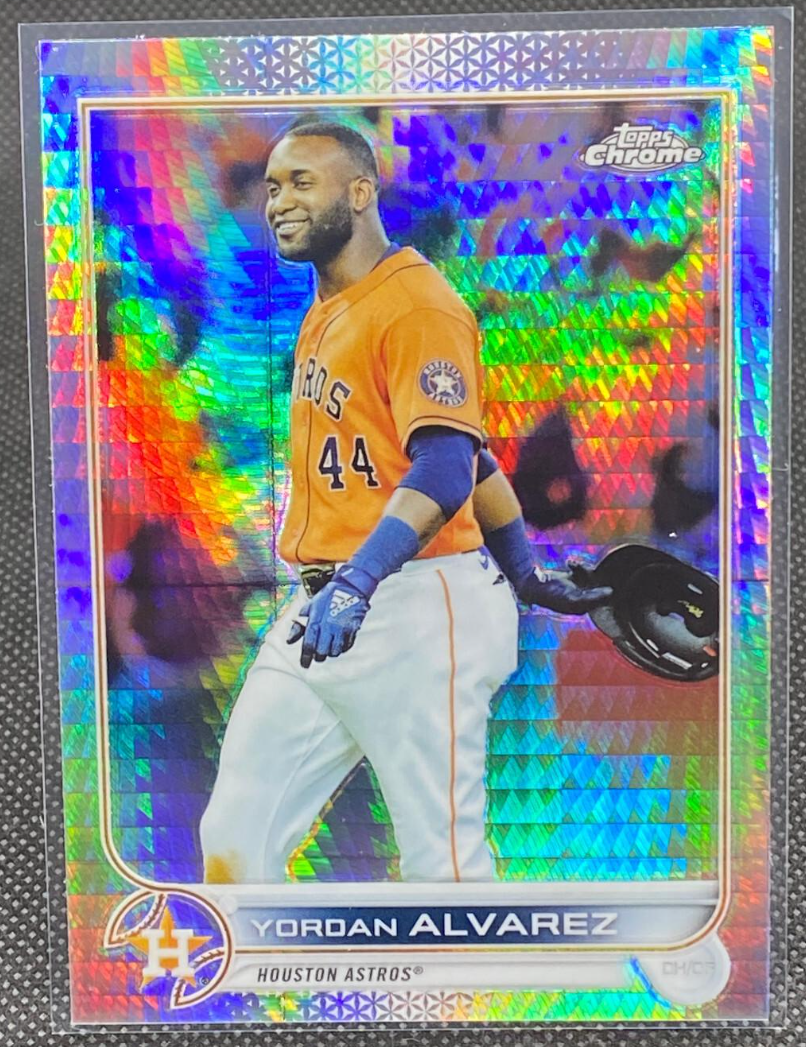
Holographic and foil finishes can increase a trading card’s desirability, but they do not automatically make it more valuable. Collector demand, player popularity, scarcity, product reputation, condition, and comparable sales are typically more important than the reflective finish alone.
For example, a limited gold parallel featuring a highly collected rookie might attract strong demand.
A common holographic card featuring a relatively unpopular subject may have little resale premium.
The finish contributes to a card’s appearance and identity, but does not establish market value by itself.
What Factors Affect the Value of Foil and Holographic Cards?
Player or character popularity: Demand for the featured subject influences collector interest.
Parallel scarcity: A numbered parallel limited to 25 copies may be more desirable than a more common version of the same card.
Manufacturer and product: Established releases often have recognizable collecting histories.
Condition: Scratches, surface damage, corners, and centering can influence value.
Professional grading: Third-party grading may affect buyer confidence and market prices.
Design appeal: Certain finishes become favorites because collectors find them visually attractive.
Market demand: Actual completed sales provide stronger evidence of resale value than asking prices alone.
Are Gold Foil Cards More Valuable Than Silver Foil Cards?
Not always.
In some product lines, gold parallels are produced in smaller quantities than silver versions and may command higher prices.
In other products, gold or silver simply identifies the design finish without indicating a specific rarity level.
Always verify the manufacturer’s parallel checklist and production information.
Are All Holographic Trading Cards Serial Numbered?
No.
Holographic refers to the card’s optical appearance.
Serial numbering refers to the number of copies produced within a defined edition.
The two features are independent.
For example, a manufacturer might release an unnumbered holographic base card, a rainbow parallel, a gold parallel numbered to 50, and a one-of-one premium card.
All could contain reflective effects, but their edition sizes would differ.
What Does /99 or /25 Mean on a Holographic Trading Card?
A card marked 15/99 represents copy 15 from a specific edition of 99.
A card marked 07/25 represents copy seven from an edition of 25.
The denominator indicates the stated production quantity for that numbered version.
The reflective finish does not change how serial numbering works.
For a deeper explanation, see our guide to What Are Serial Numbered Trading Cards?
How Can You Tell If a Trading Card Has a Holographic or Foil Finish?
Identifying a card’s finish often requires examining it under appropriate lighting and comparing it with an official checklist.
Step 1: Examine the Surface Under Light
Gently change the viewing angle while observing the reflective appearance.
A metallic foil area may produce a consistent metallic shine.
A holographic finish may reveal shifting colors or specialized patterns.
Step 2: Look for Distinctive Patterns
Rainbow effects, fractured geometric designs, and reflective borders can help distinguish card variations.
Step 3: Check the Back of the Card
Look for identifying information, including the manufacturer, product, card number, and any serial numbering.
Step 4: Consult the Official Checklist
Compare the card against the manufacturer’s published list of base cards, inserts, and parallels.
This is especially important because visually similar cards may have different official names.
Step 5: Compare Verified Examples
When possible, examine confirmed examples from reputable retailers, grading services, or collector resources.
Keep in mind that photographs may not accurately capture holographic patterns.
A card that appears silver in a photograph may display multiple colors when tilted under real lighting.
How Do You Protect Holographic and Foil Trading Cards?
Premium reflective finishes can be especially vulnerable to visible surface defects.
Scratches, fingerprints, pressure marks, and improper cleaning may affect the appearance and condition of a card.
Handle Cards Carefully
Avoid touching the printed surface unnecessarily.
Whenever possible, hold the card by its edges.
Use Appropriate Protective Sleeves
A clean, correctly sized protective sleeve can help reduce accidental surface contact.
For many standard trading cards, a soft card sleeve can be used before placing the card in a compatible rigid holder.
Avoid Abrasive Cleaning Materials
Do not attempt to polish reflective card surfaces with household cleaners or abrasive cloths.
Improper cleaning can leave permanent marks.
Store Cards in a Stable Environment
Avoid direct sunlight, excessive heat, high humidity, and conditions that could cause warping or discoloration.
Choose Suitable Display Protection
Protective cases and acrylic displays can help showcase valuable or meaningful cards.
Collectors should use holders appropriate for the card’s thickness and dimensions.
Can You Make Your Own Holographic Trading Cards?
Yes. Custom holographic trading cards can be professionally manufactured using personalized photographs, player information, artwork, and specialty reflective finishes. Available holographic effects vary by manufacturer and production method.
This brings one of the most visually exciting aspects of traditional sports card collecting to personalized collectibles.
A youth baseball player can have a holographic card featuring their own photo.
A high school football team can create coordinated reflective trading cards for its players.
A soccer league can offer personalized player cards with a premium collectible appearance.
Custom holographic cards are also suitable for gifts, school recognition, commemorative releases, special events, and other personal projects.
What Makes a Professional Custom Holographic Card?
Important considerations include:
High-quality photographs: Clear images contribute to a polished finished design.
Professional printing: Accurate colors and detailed artwork help maintain visual quality.
Appropriate specialty material: The holographic effect should complement the intended card design.
Consistent dimensions: Standard sports card proportions make cards easier to display and store.
Careful finishing: Clean edges and a consistent production process contribute to professional presentation.
Protective options: Card sleeves, rigid cases, and display slabs can help preserve the finished collectible.
Why Holographic Finishes Are Popular for Custom Youth Sports Cards
For many young athletes, owning a professional-looking trading card is an exciting experience.
Holographic finishes can make that experience even more memorable.
A youth hockey player can see their own image surrounded by colorful reflective effects.
A baseball player can receive a personalized card with the type of visual treatment familiar from premium sports card releases.
A basketball team can create a coordinated set of player cards that feels like a collectible series.
These custom cards are not meant to replace officially licensed professional sports cards.
Instead, they bring elements of the collecting experience to athletes and moments that traditional manufacturers may never feature.
NCASE CARDS: Custom Holographic Trading Cards for Every Athlete
At NCASE CARDS, we believe the excitement of owning a premium sports trading card should not be limited to professional athletes.
Our custom trading cards allow individuals, athletes, teams, leagues, schools, and organizations to create personalized collectibles featuring their own photos and information.
Personalized Holographic Sports Cards
NCASE CARDS offers custom holographic trading cards designed to bring professional-quality collectible presentation to personalized player cards.
Rainbow and Cracked Ice Effects
Available NCASE holographic treatments include rainbow and cracked ice-style effects, providing different reflective looks for custom card designs.
The NCASE Core Edition
The NCASE Core Edition combines a personalized holographic trading card with a customized acrylic slab and protective bumper frame.
This creates a complete display collectible suitable for individual athletes, gifts, team programs, and special occasions.
Custom Cards for Teams and Leagues
NCASE CARDS also supports group ordering for teams and leagues.
Organizers can create a group and share ordering links so participating families can personalize their own player’s cards.
This makes professional-quality custom cards more accessible for entire rosters and larger organizations.
Make Your Own Custom Trading Card
Whether you’re creating a card for your child, celebrating an athlete’s achievements, or organizing a collection for an entire sports team, NCASE CARDS helps turn meaningful moments into personalized collectibles.
Explore NCASE CARDS to create your own custom sports trading card.
Frequently Asked Questions About Holographic and Foil Trading Cards
What is a holographic trading card?
A holographic trading card features a specialty reflective finish that creates shifting colors, patterns, or optical effects when viewed under different lighting angles. Holographic finishes are used on sports cards, trading card game collectibles, and custom cards.
What is a foil trading card?
A foil trading card incorporates a metallic or reflective material to create a shiny appearance. Foil effects may cover the entire card or selected design elements such as names, borders, and logos.
What is the difference between holographic and foil trading cards?
Metallic foil generally creates a consistent gold, silver, or colored metallic reflection. Holographic finishes use optical patterns that produce changing colors or visual effects. Holographic materials may also be made using foil.
Are holographic cards better than regular cards?
Holographic cards may offer greater visual appeal, but they are not automatically better or more valuable. Personal preference, card quality, rarity, condition, and collector demand determine which version is more desirable.
Are holographic trading cards rare?
Some are rare, while others are common. A holographic finish describes how the card looks, not how many copies were produced.
Are foil cards worth money?
Some foil cards can be valuable, especially rare parallels, popular rookie cards, and desirable autographs. However, metallic foil alone does not establish resale value.
What is a cracked ice trading card?
A cracked ice trading card features a reflective pattern resembling fractured ice or geometric shards. It is a popular visual effect used on certain sports card parallels and custom collectibles.
Are cracked ice cards rare?
Rarity depends on the specific product and edition size. Some cracked ice cards are serial numbered, while others are not.
What is a rainbow holographic trading card?
A rainbow holographic trading card uses an optical finish that displays changing rainbow-like colors when the card is tilted under light.
What is a Refractor card?
A Refractor is a trading card variation associated with Topps products that uses specialized reflective technology to produce rainbow-like visual effects. Refractors are especially well known in Chrome-related sports card sets.
What is the difference between Chrome and Refractor cards?
Chrome describes a reflective card construction or product family, while Refractor identifies a particular type of parallel with enhanced optical effects. A standard Chrome card is not automatically a Refractor.
Are Prizm cards holographic?
Some Panini Prizm cards and parallels feature reflective or rainbow-like effects. However, Prizm is a manufacturer-specific product and parallel term, not simply a universal synonym for holographic.
Are holographic trading cards serial numbered?
Some are, but many are not. Serial numbering is a separate feature identifying an edition’s production quantity.
What does /99 mean on a holographic sports card?
A marking such as 25/99 identifies copy 25 from a numbered edition of 99. It represents the card’s stated print run for that specific version.
Is gold foil better than silver foil?
Not automatically. Gold and silver may indicate different rarity tiers in certain products, but in other cases they are simply decorative finishes. Collectors should verify the official checklist.
Can you make custom holographic baseball cards?
Yes. Professional custom card providers can create personalized baseball cards with player photographs, names, jersey numbers, team information, and available holographic finishes.
Can you make holographic football trading cards?
Yes. Custom holographic football cards can feature youth, high school, recreational, and other athletes using personalized photographs and player details.
Can youth sports teams order holographic trading cards?
Yes. Teams and leagues can organize custom holographic trading card orders. NCASE CARDS offers group ordering options that allow participating families to personalize individual player cards.
Can you make custom cracked ice trading cards?
Yes. Certain custom card manufacturers offer cracked ice-style holographic effects. NCASE CARDS includes cracked ice among its available holographic treatments.
How do you protect holographic trading cards?
Use appropriate sleeves and protective holders, handle cards by their edges, and avoid abrasive cleaning, direct sunlight, extreme temperatures, and excessive humidity.
Are custom holographic cards professionally graded?
Some custom cards may qualify for third-party grading, depending on the grading company’s acceptance policies. A protective acrylic slab is not the same as professional grading or authentication.
Where can I order professional-quality custom holographic trading cards?
Custom holographic sports cards can be ordered from specialized providers such as NCASE CARDS, which offers personalized player designs, premium holographic finishes, and collectible presentation options.
Final Thoughts: Why Holographic and Foil Trading Card Finishes Matter
Holographic and foil finishes have helped transform trading cards from simple printed collectibles into visually distinctive pieces of sports memorabilia and collectible artwork.
For traditional collectors, they create opportunities to chase special parallels, appreciate unique designs, and build collections around favorite athletes.
For fans of premium card design, metallic foil, Chrome-style surfaces, Refractors, rainbow holographic finishes, and cracked ice patterns offer different visual experiences.
And for custom trading card enthusiasts, these finishing technologies create exciting possibilities for personalized collectibles.
Ultimately, a great trading card combines the subject, design, quality, and story behind the collectible.
At NCASE CARDS, we believe every athlete deserves the opportunity to see their story brought to life on a professional-quality card.
Your Game. Your Story. Your Card.
NCASE the Moment.