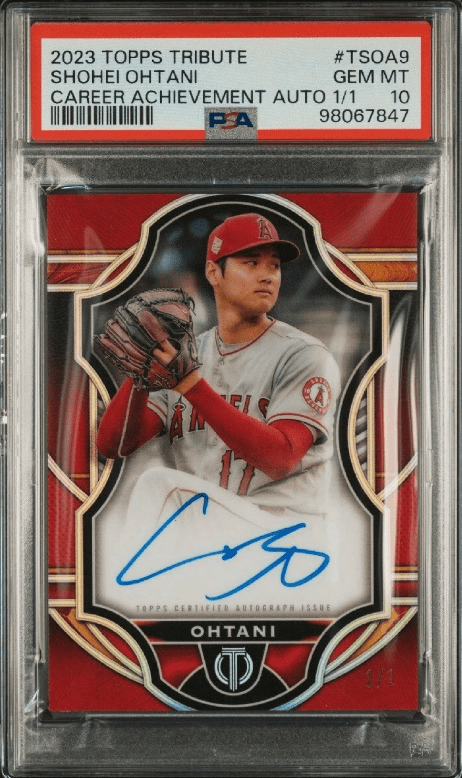
What Is a Chase Card? The Card Everyone Is Hunting
Every product has one.
The card collectors talk about before release.
The card that spikes group break prices.
The card that makes a box worth ripping.
That’s a chase card.
A chase card is a rare, highly desirable card in a set that collectors are actively trying to pull from packs. It’s the centerpiece. The headline. The reason people buy.
Why Is It Called a Chase Card?
Because you’re chasing it.
Manufacturers intentionally include limited, low-print, or premium versions of certain cards to create excitement. These cards aren’t easy to pull. The scarcity is the point.
In sports cards, chase cards often include:
-
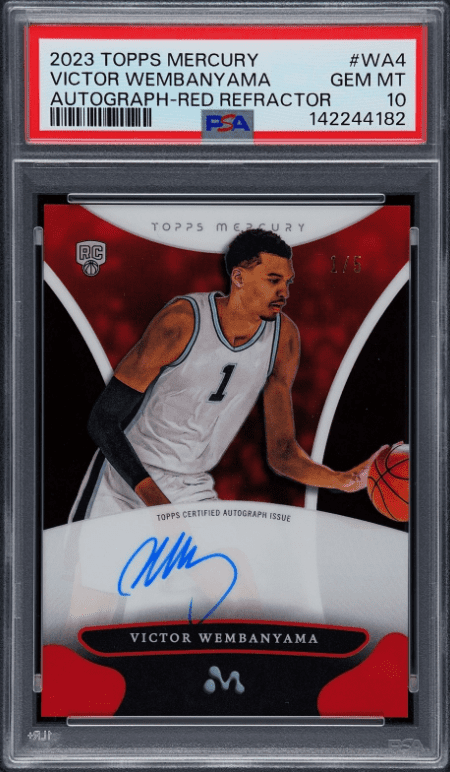
Rookie autographs
-
Low-numbered parallels ( /25, /10, 1/1 )
-
Superfractors or gold refractors
-
On-card signatures
-
Patch autograph combinations

2023 Topps Mercury Victor Wembanyama Autographed Red Refractor chase card
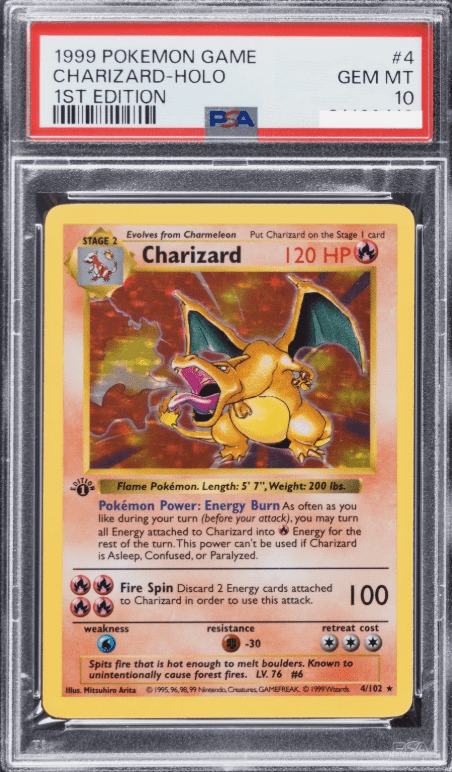
In TCG cards like Pokémon or Magic: The Gathering, chase cards might be:
-
Secret rares
-
Alternate art foils
-
Full-art ultra rares
-
Serialized promotional cards
1999 Pokemon Charizard chase card
Different genre. Same concept.
What Makes a Card a Chase Card?
Not every rare card becomes a chase card. It usually needs a combination of:
1. Scarcity
Low print runs or serial numbering create supply pressure.
2. Star Power
Big-name rookies, MVPs, Hall of Famers, or iconic TCG characters drive demand.
3. Visual Impact
Chrome finishes, gold borders, cracked ice patterns, color blasts — eye appeal matters.
4. Market Buzz
Pre-release hype, early big pulls, or viral social media moments can elevate a card instantly.
When scarcity meets demand, a chase card is born.
How Chase Cards Drive the Hobby
Chase cards fuel:
-
Box sales
-
Group breaks
-
Secondary market pricing
-
Social media engagement
-
Long-term product value
When a new set releases, collectors ask one question first:
“What’s the chase?”
If the answer is strong, the product moves.
Are Chase Cards Always Valuable?
Often, but not always.
Some chase cards spike early and settle. Others become long-term grails. Condition plays a massive role — a high-grade example authenticated by companies like PSA can dramatically increase resale value.
Timing also matters. Rookie hype cycles, championship runs, and competitive TCG meta shifts can all affect demand.
Why Collectors Love the Chase
It’s not just about money.
It’s about:
-
The adrenaline of ripping packs
-
The surprise factor
-
The possibility of hitting something massive
-
The bragging rights
That moment when you flip the card over and see a low serial number or gold foil shimmer? That’s why people collect.
Chase cards create stories.
And stories are what make the hobby fun.
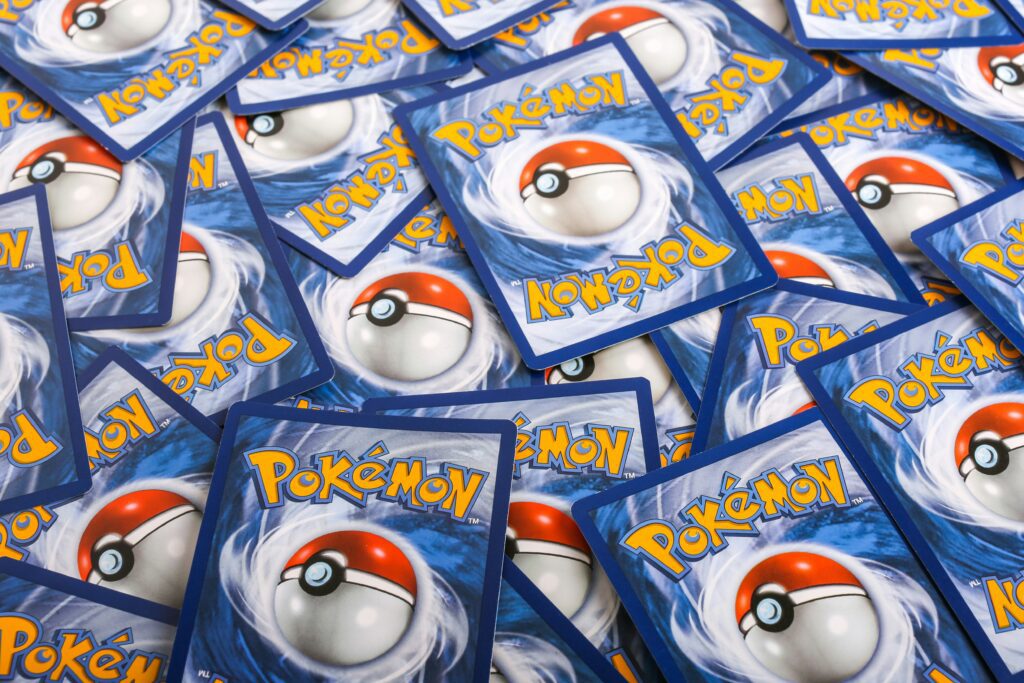
What Are TCG Cards? A Beginner’s Guide to Trading Card Games
If you’ve ever opened a booster pack, built a deck, or battled across a tabletop, you already know – TCG cards are more than collectibles.
They’re strategy.
They’re competition.
They’re community.
TCG stands for Trading Card Game. Unlike traditional sports cards, TCG cards are designed to be played. Every card has a purpose inside a larger system of rules, mechanics, and deck-building strategy.
What Makes TCG Cards Different?
TCG cards aren’t just images on cardboard. Each card typically includes:
-
A name and card type
-
Abilities or effects
-
Attack or power values
-
Energy or cost requirements
-
Rarity designation
The goal isn’t just to collect – it’s to construct a playable deck and compete against another player.
Popular trading card games like Pokémon, Magic: The Gathering, and Yu-Gi-Oh! have built global competitive scenes around deck strategy and organized play.
That competitive layer is what separates TCG cards from standard trading cards.
How Do TCG Cards Work?
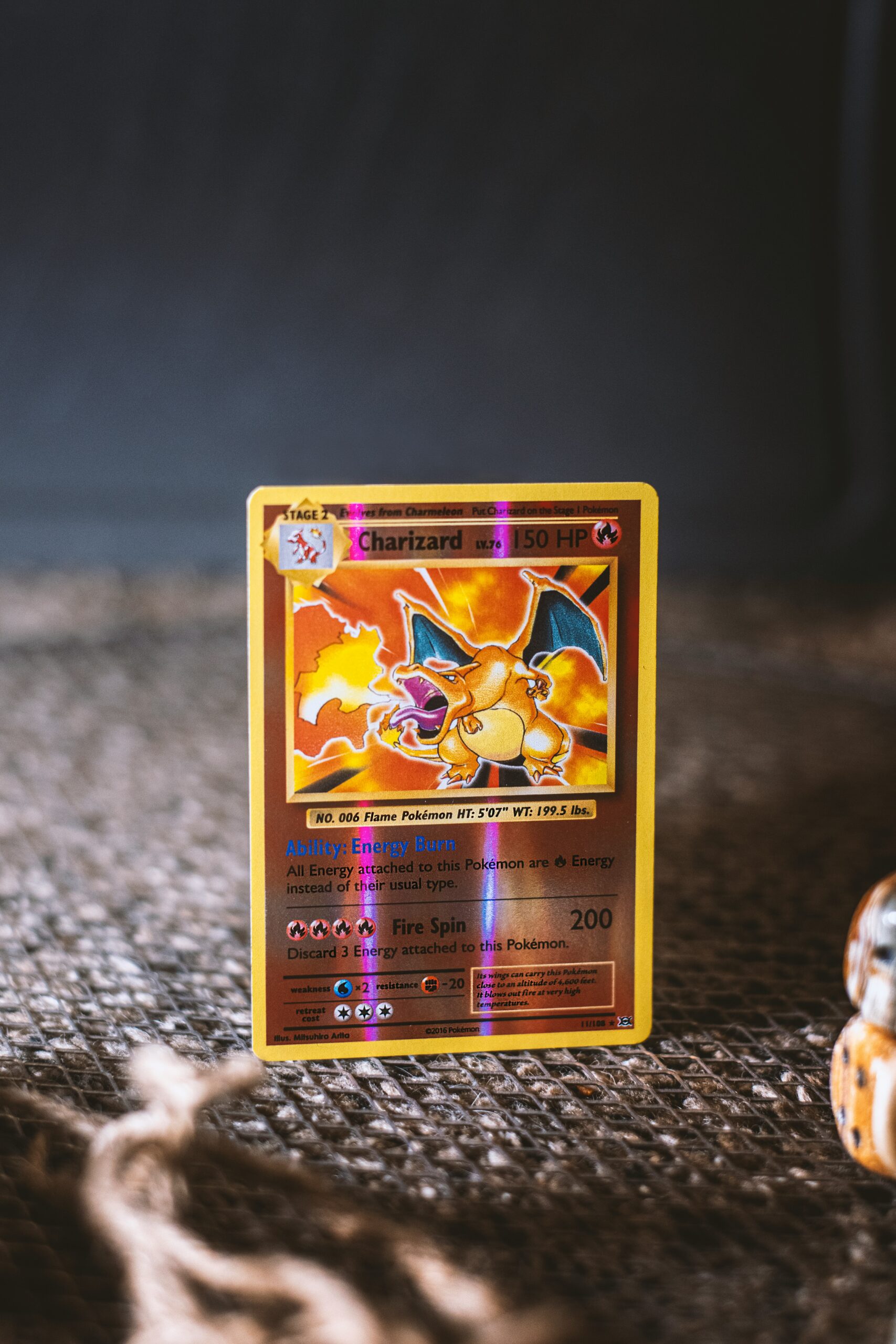
Among the most sought after TCG cards – CHARZARD POKEMON
Every trading card game has its own rule set, but most follow a similar structure:
-
Players build custom decks.
-
Cards are drawn from the deck.
-
Players take turns using abilities, summoning characters, or attacking.
-
Strategy and timing determine the winner.
Deck construction is everything. Competitive players study card interactions, rarity pools, and meta trends to gain an advantage.
What Does Rarity Mean in TCG Cards?
Rarity is a major part of the appeal.
Most TCG sets include:
-
Common cards
-
Uncommon cards
-
Rare cards
-
Ultra Rare / Secret Rare
-
Special foil or alternate art versions
Opening a booster pack and pulling a high-rarity foil or chase card is part of the excitement. Some TCG cards become highly valuable due to competitive demand, low print runs, or cultural popularity.
Why Are TCG Cards So Popular?
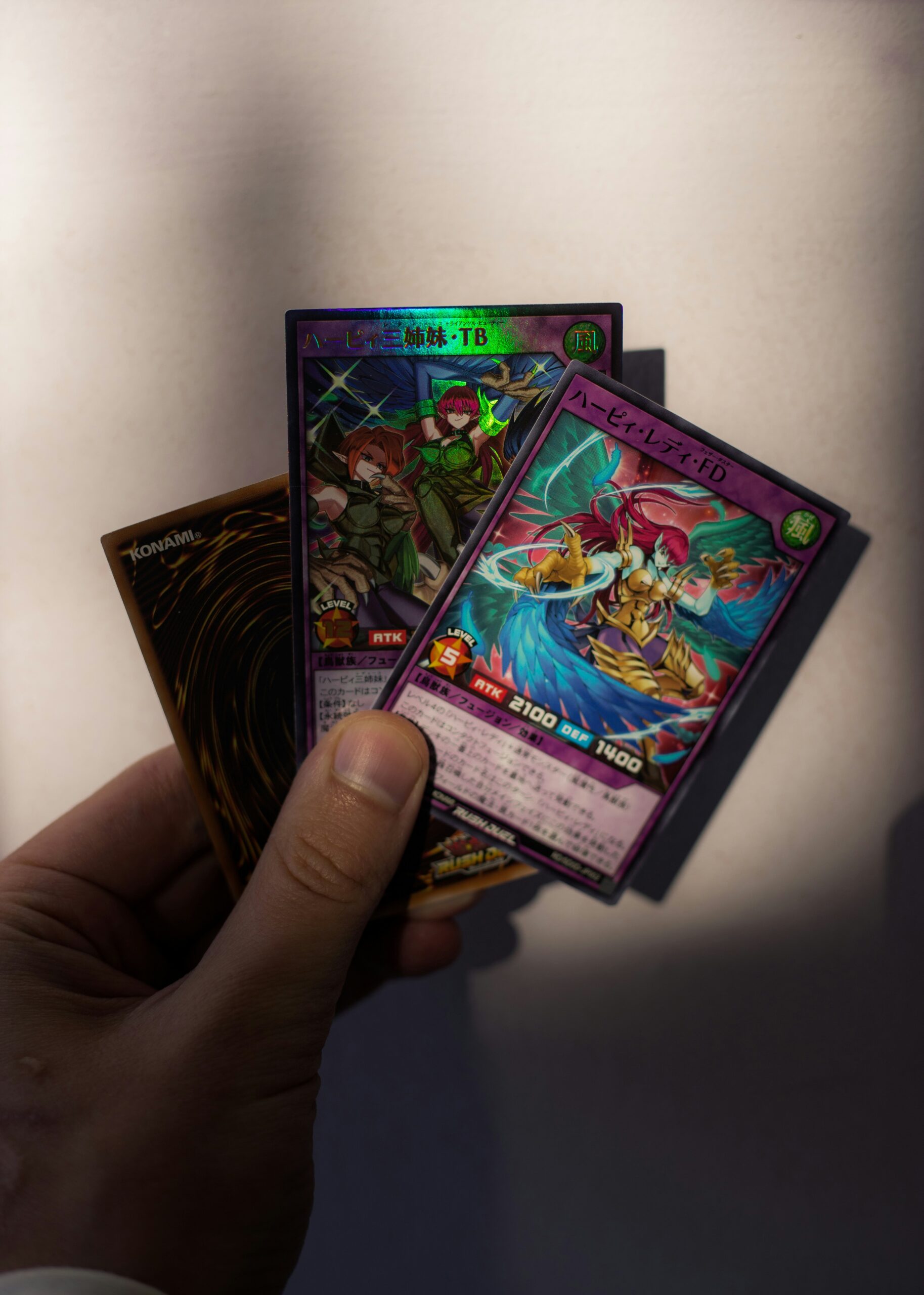
Yu-Gi-Oh – Among the most sought after TCG cards
There are a few big reasons:
Strategy
Unlike traditional sports cards, TCG cards require skill and planning. You’re not just collecting — you’re competing.
Community
Local game stores host weekly tournaments. Major championships draw international players.
Constant Innovation
New sets release regularly, introducing fresh mechanics and keeping the game evolving.
Collectability
Even players who don’t compete still collect favorite characters, rare variants, and graded cards.
The Future of TCG Cards
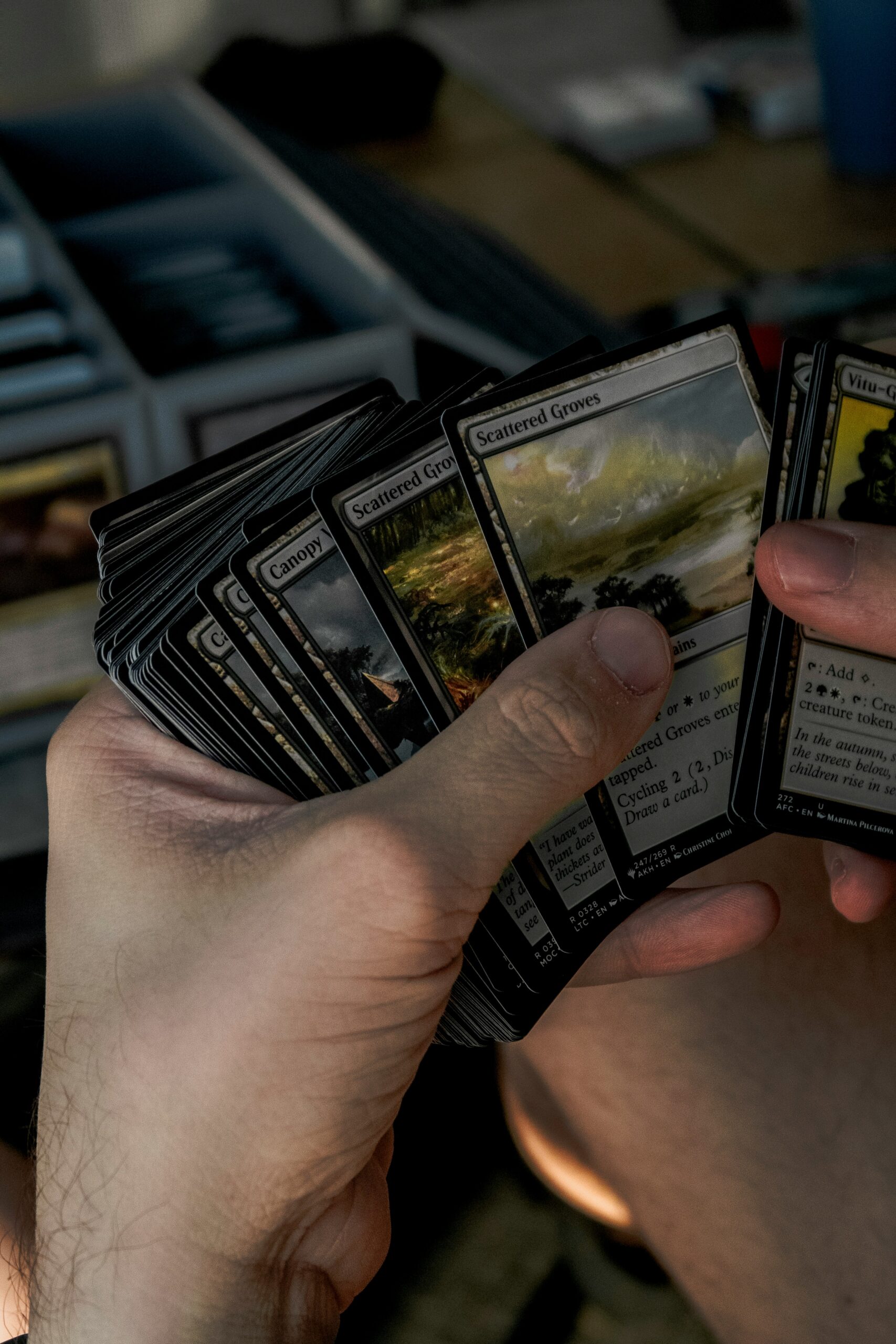
Magic: The Gathering – Another popular option among collectors.
The TCG market continues to expand globally. Younger collectors enter through recognizable franchises, while veteran players remain loyal for the gameplay depth.
Digital integration, livestreamed tournaments, and social media pack openings have only accelerated interest.
TCG cards aren’t slowing down.
They blend game mechanics, art, rarity, and competition into one ecosystem – and that combination keeps collectors coming back.
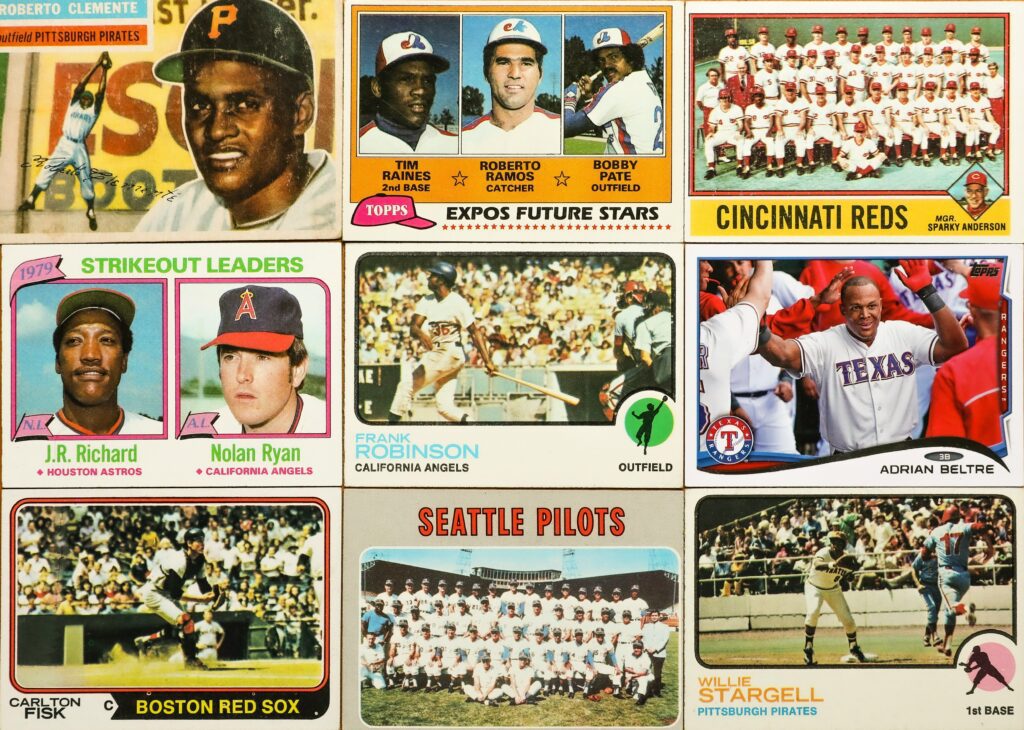
Baseball Cards 101: The Evolution of Cardboard
Before Pokémon.
Before modern parallels.
Before million-dollar auction headlines.
There were baseball cards.
Baseball cards are the foundation of the entire trading card industry. They shaped how we collect, trade, grade, and value cardboard today.
Baseball cards date back to the late 1800s when tobacco companies inserted small player cards into cigarette packs as promotional inserts.
One of the most legendary cards ever produced is the 1909 T206 Honus Wagner — widely considered the holy grail of baseball cards.
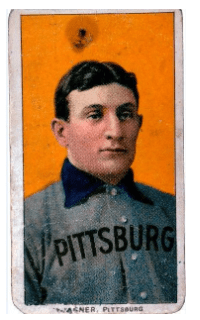
Honus Wagner 1909 is the most sought after trading card in the hobby.
In the 1950s, Topps changed the game forever by packaging baseball cards with gum and producing full annual sets. The 1952 Mickey Mantle card remains one of the most iconic and valuable post-war baseball cards in existence.
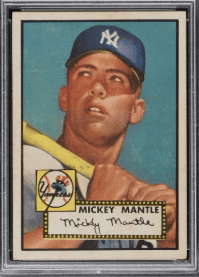
Mickey Mantle’s 1952 Topps Trading Card, while not technically a Rookie Card is extremely rare and the modern standard for a desirable collectible.
Baseball didn’t just participate in the hobby — it built it.
What Makes Baseball Cards So Popular?
1. Deep Historical Roots
Baseball is often called America’s pastime. The card history mirrors the sport’s legacy, connecting generations of collectors.
2. Rookie Cards
Collectors obsess over first-year cards of future Hall of Famers. A true rookie card can define a player’s long-term value.
3. Statistics & Storytelling
Baseball is a numbers-driven sport. Cards showcase batting averages, ERA, home runs, strikeouts — giving collectors a statistical snapshot of a player’s career.
4. Condition Sensitivity
Grading has transformed the baseball card market. High-grade examples authenticated by companies like PSA can multiply a card’s value dramatically.
5. The Chase
Modern baseball cards include:
-
Autograph cards
-
Relic and patch cards
-
Serial-numbered parallels
-
Short prints and image variations
-
One-of-one superfractors
That pack-ripping adrenaline? Baseball helped invent it.
Baseball cards have evolved dramatically over the decades.
The junk wax era of the late 1980s and early 1990s flooded the market with overproduction. Scarcity became less meaningful.
Then came innovation:
-
On-card autographs
-
Game-used jersey relics
-
Limited print runs
-
Chrome technology and refractors
-
Ultra-premium releases
Today, baseball card collecting blends nostalgia with modern rarity mechanics. Vintage collectors chase pre-war legends. Modern collectors build rainbow parallels of current stars.
Both sides fuel the hobby.
Where Baseball Cards Are Headed
The future of baseball cards is being shaped by:
-
Increased grading transparency
-
Direct-to-consumer releases
-
Shorter print runs
-
Digital tracking and marketplaces
-
Younger collectors entering through modern breaks
- Custom Baseball Cards companies such as NCASE CARDS.
Baseball cards remain the heartbeat of the sports trading card world.
They started the hobby.
They survived overproduction.
They adapted to innovation.
And they’re not slowing down anytime soon.
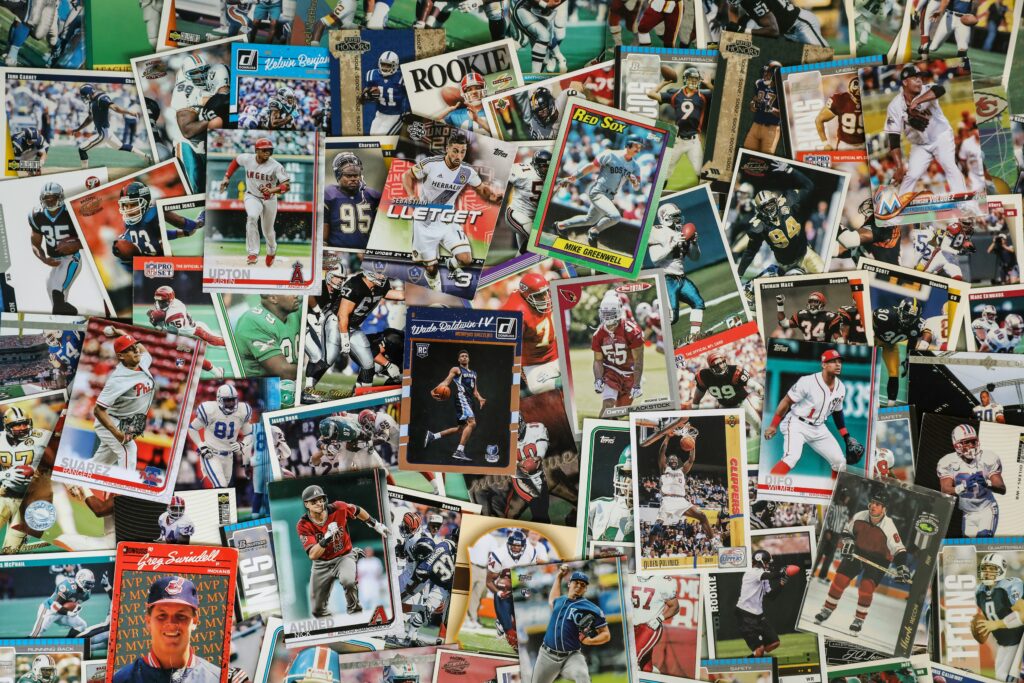
Trading Cards 101: What Are Trading Cards & Where Did They Start?
Trading cards are more than cardboard. They are history, nostalgia, competition, art, and investment – all packed into a collectible format that has captivated generations.
Whether you collect sports cards, TCG cards, or both, understanding where the hobby began and where it’s going gives you a true collector’s perspective.
What Are Trading Cards?
At their core, trading cards are collectible cards featuring athletes, characters, teams, or themes. They typically include:
-
Player or character imagery
-
Statistics or abilities
-
Brand and series information
-
Rarity indicators
-
Special finishes like foil, holographic, or serial numbering
In sports, companies like Topps and Panini produce licensed baseball, football, basketball, and soccer cards.
In the TCG world, games like Pokémon, Magic: The Gathering, and Yu-Gi-Oh! dominate with competitive, strategy-based ecosystems.
Some cards are common. Others are rare chase cards, parallels, autographs, patch cards, or one-of-ones.
And that rarity? That’s where things get interesting.
Trading cards date back to the late 1800s when tobacco companies inserted baseball cards into cigarette packs to stiffen packaging.
The 1909 T206 Honus Wagner became one of the most famous and valuable cards in hobby history.
The Honus Wagner 1909 T206 cigarette pack card is the most sought after trading card in the hobby. This is one of the two copies owned by the Baseball Hall of Fame in Cooperstown, NY.
By the 1950s, Topps revolutionized the industry with modern designs and gum-pack distribution – including the iconic 1952 Mickey Mantle card that would later sell for millions.
Mickey Mantle’s 1952 Topps Trading Card, while not technically a Rookie Card is extremely rare and the modern standard for a desirable collectible.
From there, the hobby evolved through:
-
The junk wax era of the 1980s–90s
-
The autograph and patch boom of the 2000s
-
The grading explosion led by companies like PSA & Beckett
-
The pandemic-era surge of 2020
Each era shaped how collectors view rarity, value, and condition.
Our Final Thought: It’s More Than Cardboard
Trading cards tell stories.
They capture moments.
They celebrate greatness.
They reward patience and knowledge.
Whether you’re chasing a grail, building a set, or ripping packs on release day, collecting sports cards is about the thrill of discovery and the joy of ownership.